Awestralia

Welcome to the outback where anything and everything goes pear shaped.

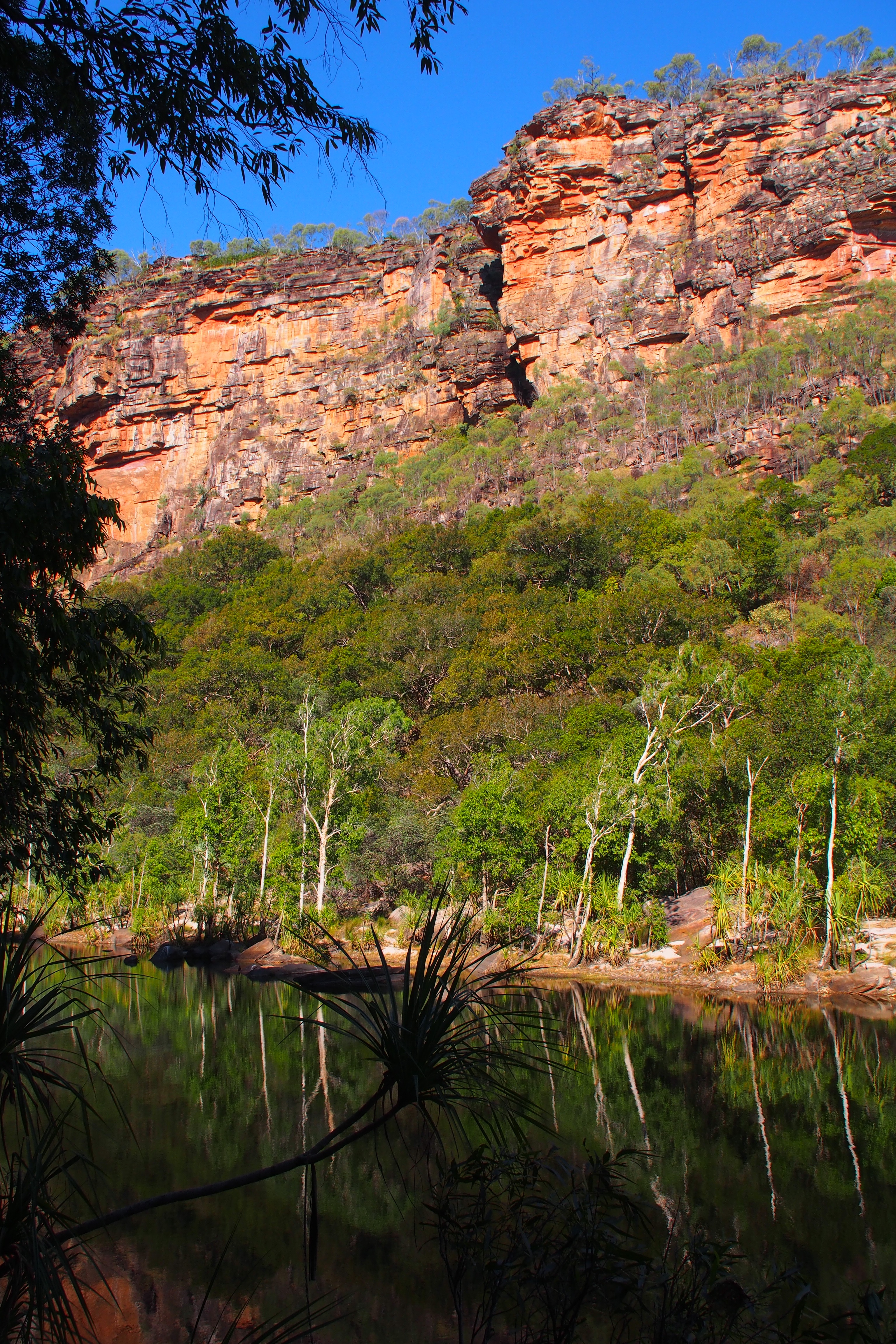
West of Kununurra everything goes wild. The roads, the animals, everything.

We are north of the Gibb River Road heading for the Mitchell Plateau and after just one day we have destroyed a battery, a caravan door, three tyres and a headlight. All this before lunch.

As usual I exaggerate, the damage is spread between two vehicles. Although given fact that the nearest tyre shop is four hundred kilometres away we do anticipate the loss of at least one kidney to secure the supply of a couple of 285. 75.16 tyres. Whoops, there I go again exaggerating, one kidney equals a whole set of tyres in these parts. You know I must have told myself a million times, “don’t exaggerate”.

Anyway we are still trying to get to Mitchell Falls, probably the most remote waterfall that can be accessed by any sort of a road anywhere in Australia. The aborigines walked there for goodness sake, how hard can it be. I’ll tell you how hard, yesterday we had to drive through a crocodile infested river in the dark to get to our campsite and if that’s not bad enough the local cow population had chosen that particular time to go down and join the crocs for an evening drink. This made the river relatively congested once we turned up.

Damage to vehicles aside Australia is still Awetsralia.

Damage to date (us only):

  1. Back window having been shattered by wayward rock. has now been replaced with a coreflute real estate sign courtesy of L J Hooker Mount Isa.
  2. Headlight being unable to withstand the continuous hammering from countless corrugations gave up it’s position at the head of the car and was discovered dangling rather precariously by it’s electrical unbiblical cord on the bull-bar. Now gaffer taped in and looking relatively normal. The headlight protector no longer protects the headlight. Being fragmentized by accidentally closing hood of car on it after fixing the fallen out headlight (see above) it now forms part of the “Drysdale Landfill Project”.
  3. Left indicator light having decided life is too restrictive being mounted to the front mudguard now spends much of its time away from its normal location. We pop it back in each night but by lunchtime it’s had enough and spends the afternoon swinging tenuously in the breeze by its wiring.
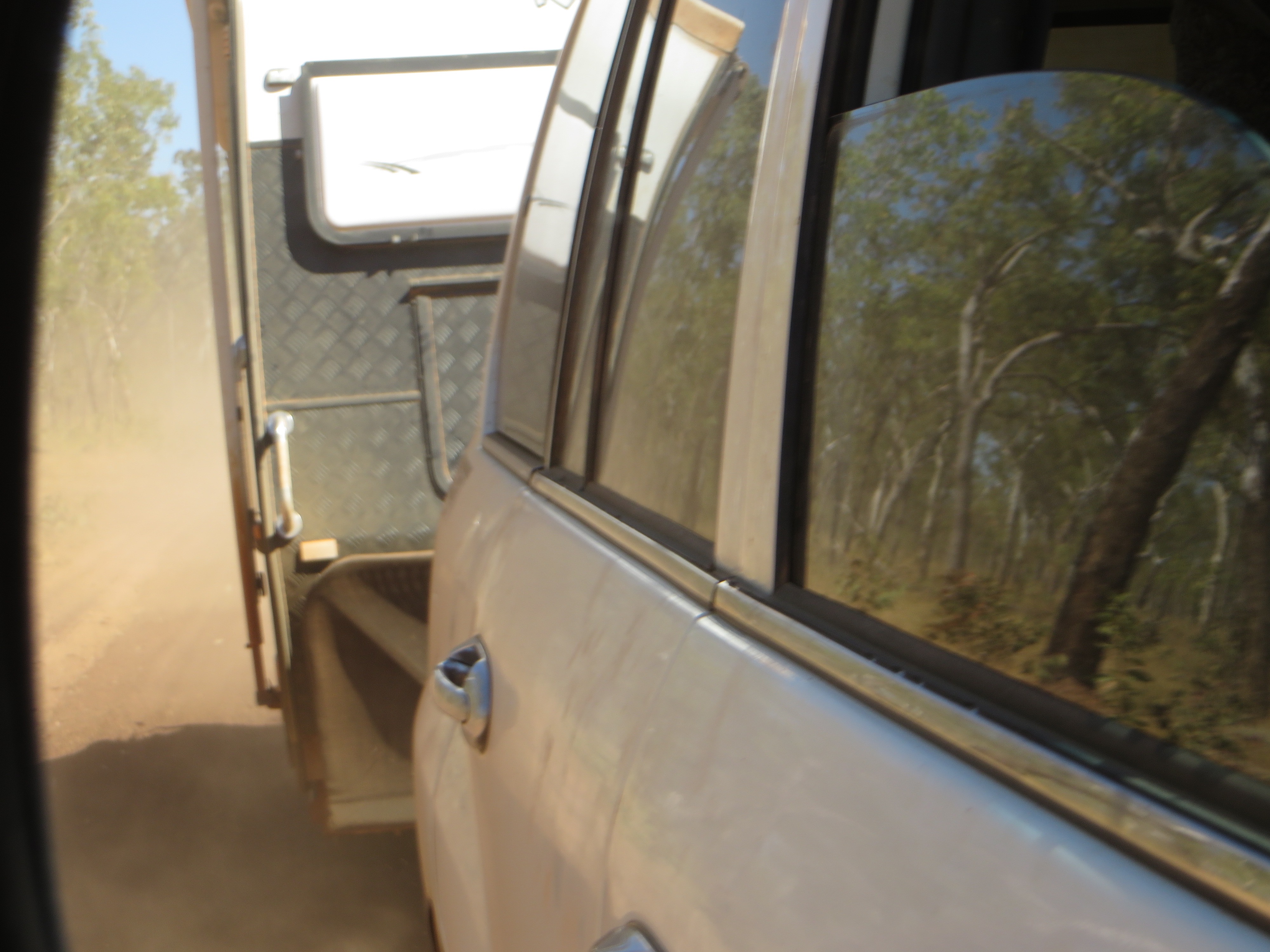
  4. The little plastic dooby that holds caravan door closed and keeps dust out vanished into thin air letting a fair amount of dust inside caravan. By fair amount I mean an even coating over most things. Speaking of dust the amount of dust on the roads is actually decreasing. As we pass by, we collect a shovel full or so each day through little gaps in various car and caravan seals. We (read Jen) sweeps it up at the end of the day and we leave it at the next convenient campground.
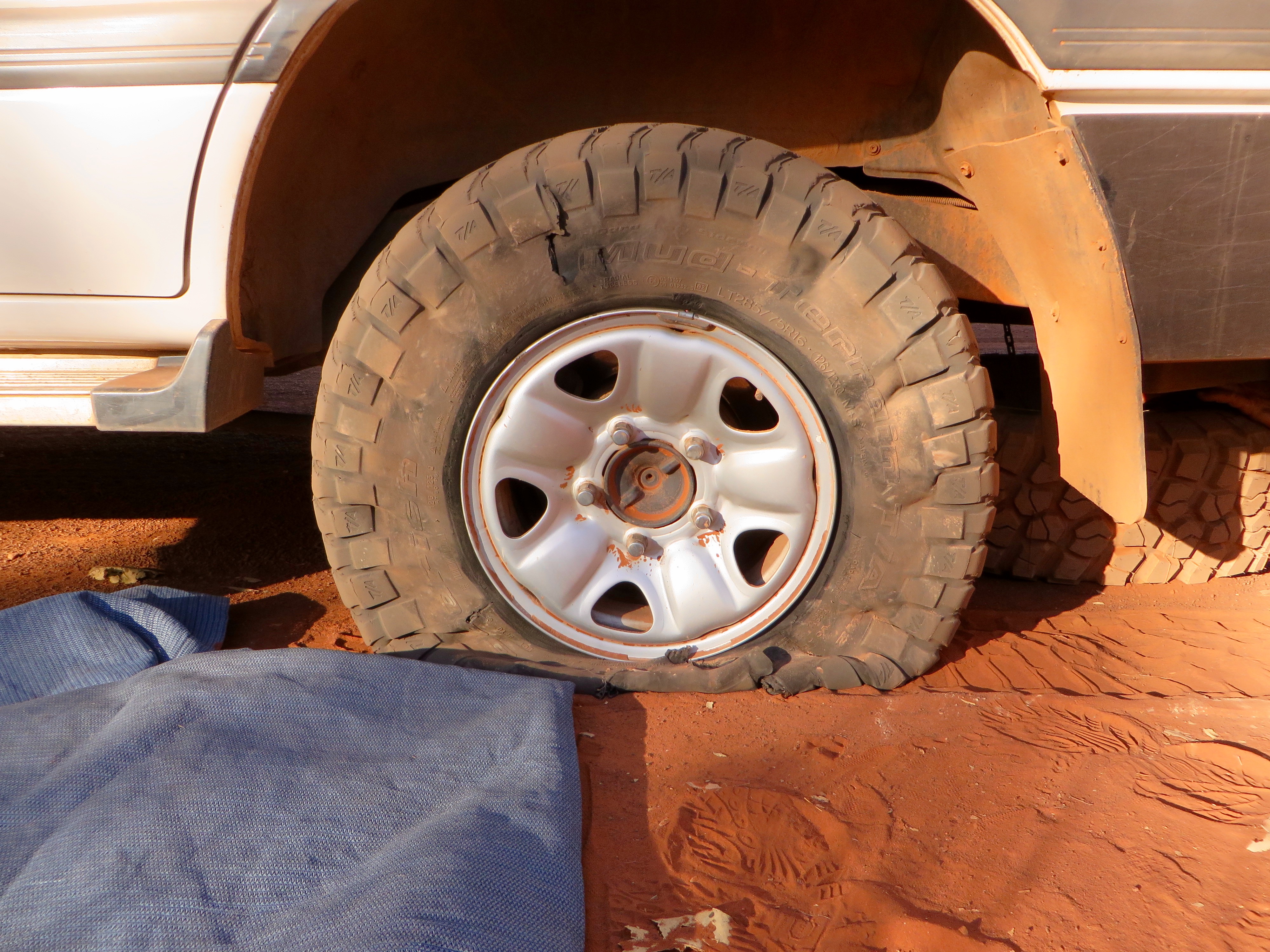
  5. The left rear tyre having pounded nearly every rock for the last thousand kilometres in search of one just the right shape and size, finally found its perfect rock. Having run over aforementioned rock the tyre then flew to bits and effectively recycled itself while still attached to car.
  6. The right rear tyre seeing that the left rear had effectively retired decided on a redundancy package and expelled most of its air overnight. This left the tyre and myself a little deflated at sunrise.
  7. Given the distance to the nearest tyre shop the happy go lucky owners of Drysdale Station can now afford that delightful little cottage in Tuscany they have being looking at on the net. But what the heck we’ve got two new tyres, much more useful than a cottage in Tuscanny.
  8. A cupboard drawer is now secured by gaffer tape instead of drawer catch, which has gone the way of “the plastic dooby that holds the caravan door closed and stops the dust getting in”.

Gaffer tape is a much maligned and under rated product. I can confidently recommend gaffer tape to all potential travellers, as it now comprises a significant portion of both the car and caravan. Unfortunately we have run out so Jen had to fix her broken glasses with a Band-Aid. Very stylish but not up to gaffer tape standard.

  1. Diesel fuel is now running (or dribbling) at two dollars and fourteen cents per litre. That’s eight dollars fifty six a gallon for our North American friends, almost as expensive as grain alcohol. This is damage to the bank account if you’re wondering why this information is in the damage to date section.
  2. Rounding out the top ten as they say, is the brake pedal that requires two pushes to get the brakes to begin their designated function of stopping the four and a half plus tonnes of holiday happiness at selected and often critical moments. When we get to three or four pushes we may have to get more gaffer tape.

Ah………….memories.

Cows in the Pentecost river at night, heading for Home Valley Station
Cows in the Pentecost river at night, heading for Home Valley Station

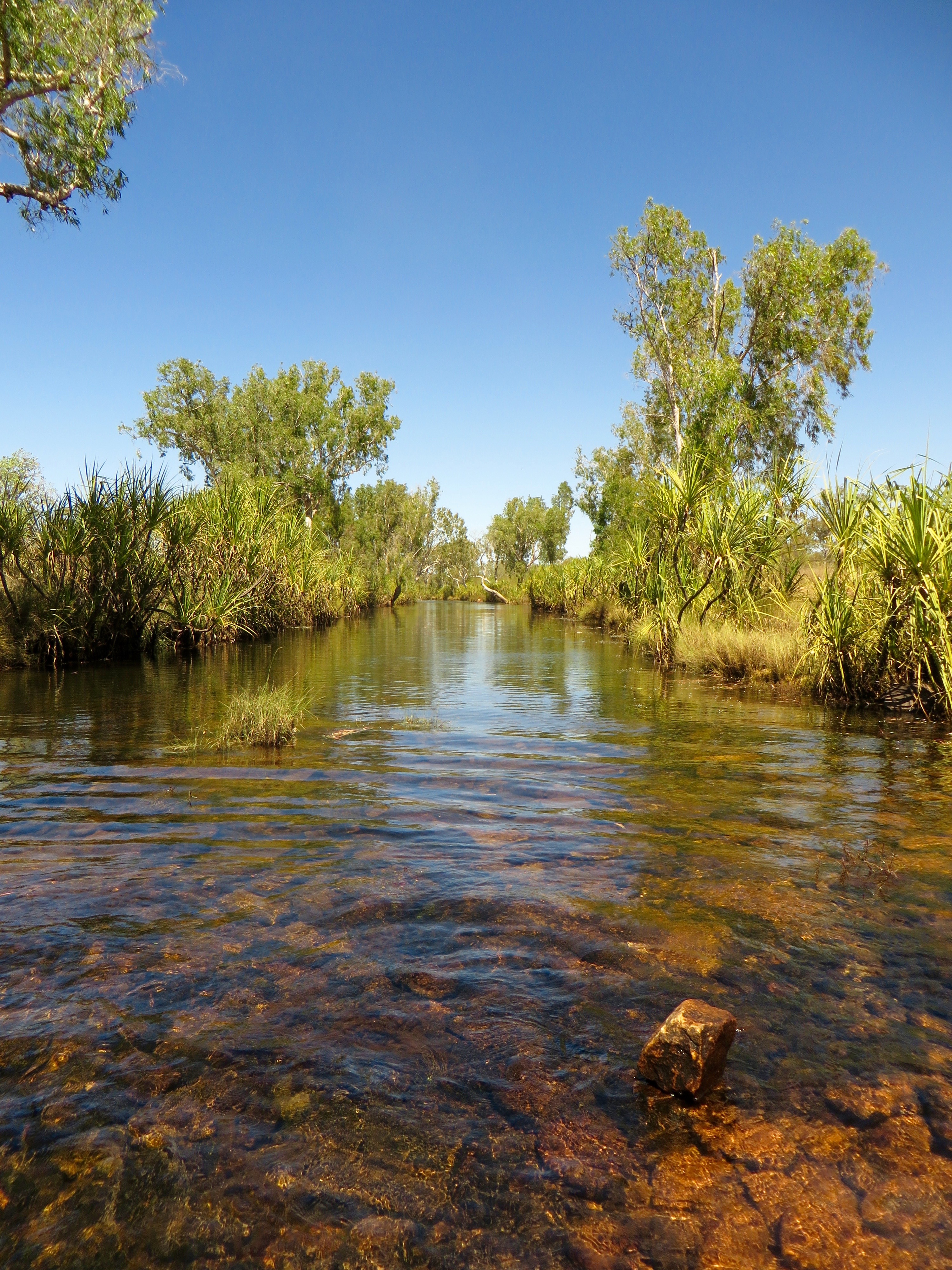
Prince Edward Falls

Prince Edward River

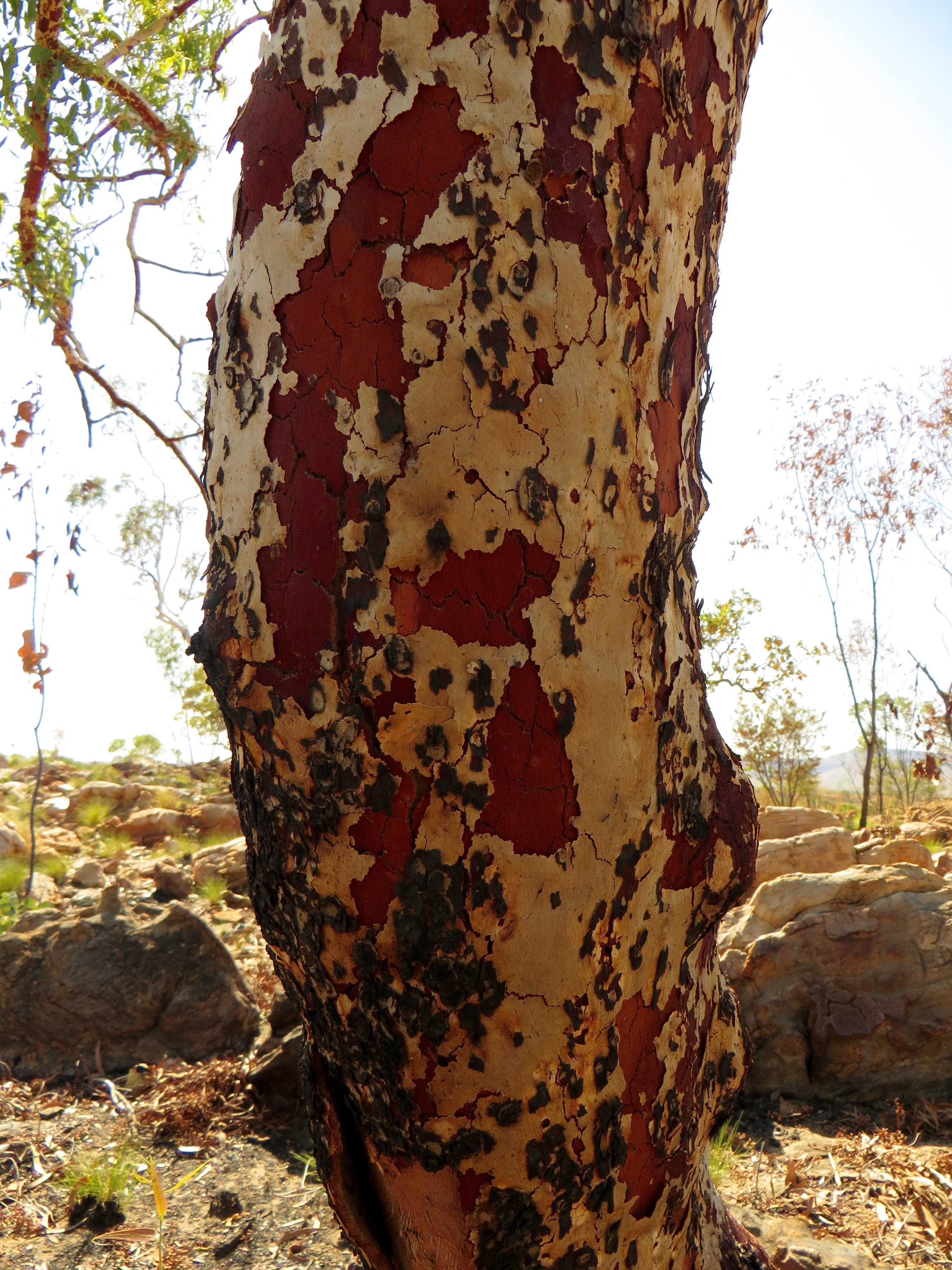
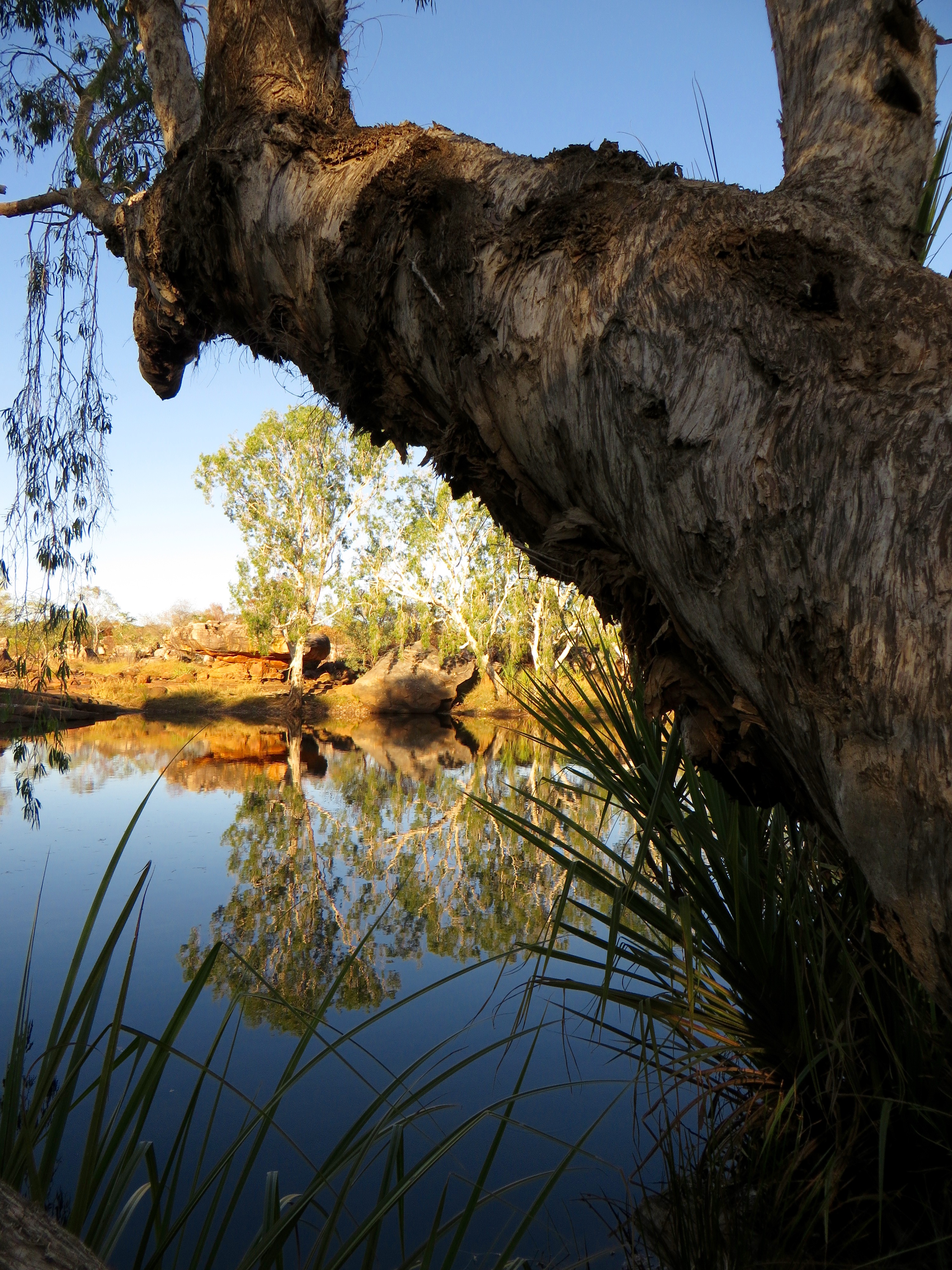
Jen's Tree.

Jen’s Tree.

Flat on the bottom tyre.

Flat, on the bottom, tyre.

Prince Edward region.

Prince Edward region.

Shower time.

Shower time.

Wayward Indicator eye view

Wayward Indicator eye view.

BUTTERFLY BURGERS

Leaving the Caravan hating Litchfield behind we ventured into Bachelor to check out the “Butterfly Farm”, this is Bachelor’s main tourist attraction boasting butterflies and animals, a restaurant, accommodation, and a bar. Jen opted for the ten dollar guided tour to photograph the illusive (in the wild at least) little insects.
Following the tour it was lunch. I decided on the “butterfly burger” which came with all the usual fillings and a piece of papaya on the side. My initial disappointment due to the lack of an actual butterfly on the burger was soon erased by the quality of the meat on the burger, being both tender and flavoursome.

After lunch Jen revealed that during the butterfly tour they were given a plastic bucket of chopped carrot to feed to the rabbits. She then commented that although there were many rabbits they were mostly quite young. When quizzed as to the location of the rabbit enclosure Jen said that it seemed odd as was next to the herb garden adjacent to the kitchen and that the rabbits seemed quite shy until they saw the carrots. So I’m thinking not so free-range rabbit makes very tender and floavoursome “butterfly burgers”.

Future Burger

Future Burger

Imminent Burger.

Imminent Burger.

Notaburger's Blue Black Butterfly

Notaburger’s Blue-Black Butterfly

LITCHFIELD CSI

There’s crime afoot and I’m just the puppy to expose it!

Somewhere in the Northern Territory bureaucracy there is someone who hates caravan owners and is excluding them from select places in Litchfield National Park. Areas that were previously accessible by caravan have been unceremoniously crossed of the list. What’s more they have been crossed off in a willie-nillie fashion. As you know I’m not one to use strong language like willie-nillie very often, so if I say willie-nillie, then you can be assured my dander is pretty well up.

Having driven the equivalent of the best part of half way across Europe to get to Litchfield National Park we were faced with absolutely nowhere to stay. All the previously accessible good spots have been set aside for the tent variety of travellers.

Left with the choice of either driving out of the Park and staying at a place called Bachelor, or staying in the “Tourist Precinct” located within the Park we chose the later. In hindsight we should have given Bachelor the benefit of the doubt.

The “Safari Camp” within The Park is about as appealing as having a tooth extracted without the anesthetic. I will leave it at that just in case the proprietors learn to read at some point in the future.

Anyway back to the CSI, and sorry about the jargon but we have been watching a few crime shows of late.

The “perp”, that’s short for the perpetrator, of the crime in question fits the following description. Forget the jargon bit by the way “perp” is the only jargon I know and I wanted to use it.

So the “perp” fits the following description:-

The “perp” wears khaki shorts and long sleeve shirt, leather hiking boots with gaiters, a pith helmet, carries numerous meticulously folded maps, has an orienteering compass around the neck, has a utility belt that Batman would trade Robin for (complete with torch, 2x multitools, waterproof matches, flares, back up expanding pith helmet and ten man ration pack), walks a bit like John Cleese and can be heard singing jolly little hiking songs the meaning of which totally elude me……and this is en-route to the office, not in the great outdoors, where he or she works as the person who decides who camps where.

So why is he or she doing this and why am I so upset? Well the “perp” is doing this because he or she is a total muppet and I am upset because every campground set aside for caravans was full and every campground set aside for “tent only” camping was empty and I do mean empty. My conclusion is simple this person was scared by a caravan when very young or has had a less than happy relation ship with a caravan.

All this aside, Litchfield Park is the “Waterworld” of the North.

Checking for crocodiles. Those things can give your tyres a nasty bite.

Checking for crocodiles. Those things can give your tyres a nasty bite.

Crossing water to get to more water.

Crossing water to get to more water.

Surprise Creek. The pool is half way up the cliff face.

Surprise Creek. The pool is half way up the cliff face. Or is it halfway down?

Water everywhere.

Water everywhere.

Jen at Buleys Holes.

Jen at Buleys Holes.

Plunge pool is the rock-face.

Plunge pool is the rock-face.

Blythe Homestead. Read the story

Blythe Homestead. Enlarge and read the story

THE GREAT EMU WAR OF 1932

From the first time we, as humans, saw a bird fly we have been fascinated. Countless attempts to emulate the flight of the bird, probably dating back to the time the first cave man strapped on some now extinct Dodo feathers, threw himself off a cliff and landed cranium first on something slightly tougher than his head, have confirmed this.

A couple of the more well known and more successful flight disciples were the Italian wiz kid Leonardo DeVinci and the Australian Edmond Hargreaves. The Wright brothers were probably the first to actually fly any distance although people will argue about that.

So where is this leading.

It is leading to two, no three places in that scattered space I like to call my brain.

  1. We are in Darwin and Darwin is the only place in Australia ever to have been attacked by air. Obviously Australia was attacked by sea a number of times by various nations, the English being the most notable. The Japanese however gave Darwin a good flogging by air back in nineteen forty two and three. The destruction inflicted by the Japanese was only bested by cyclone Tracy in nineteen seventy four. Cyclone Tracy, by the way, is also our worst ever recorded natural disaster (the aborigines no doubt saw worse, but they have been here a while longer, twenty thousand years or more in fact).
  1. There is an enormous variety of bird life in the tropics and they are great to watch.
  1. James,our only and therefore number one son, sent an email about the Emu War in Australia just after World War One. That is the Emu War was just after World War One not the email.

So, to the point, we like to fly and we like to fight so why not combine the two and fight in the air. Am I am going to rave on about war and conflict and man’s inhumanity. Why would I, you already know about that stuff. You are all intelligent people otherwise you wouldn’t be here! So just look at the pictures..

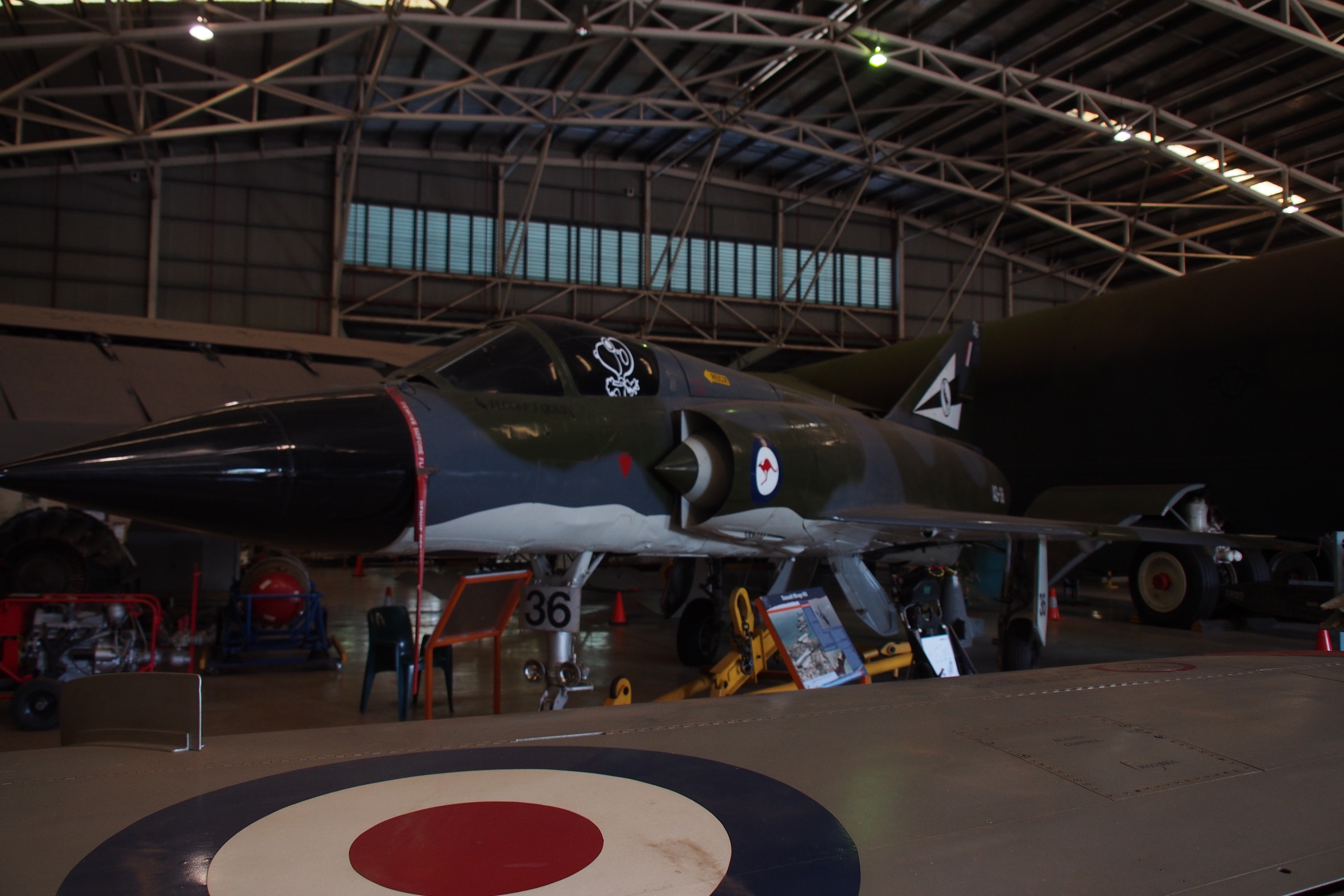
War Bird with Snoopy at the controls.

War Bird with Snoopy at the controls.

One of Japan's less successful invaders of the Australian north.

One of Japan’s less successful invaders of the Australian north.

The Quaint as flying Refrigerator.

The Quaint as flying Refrigerator.

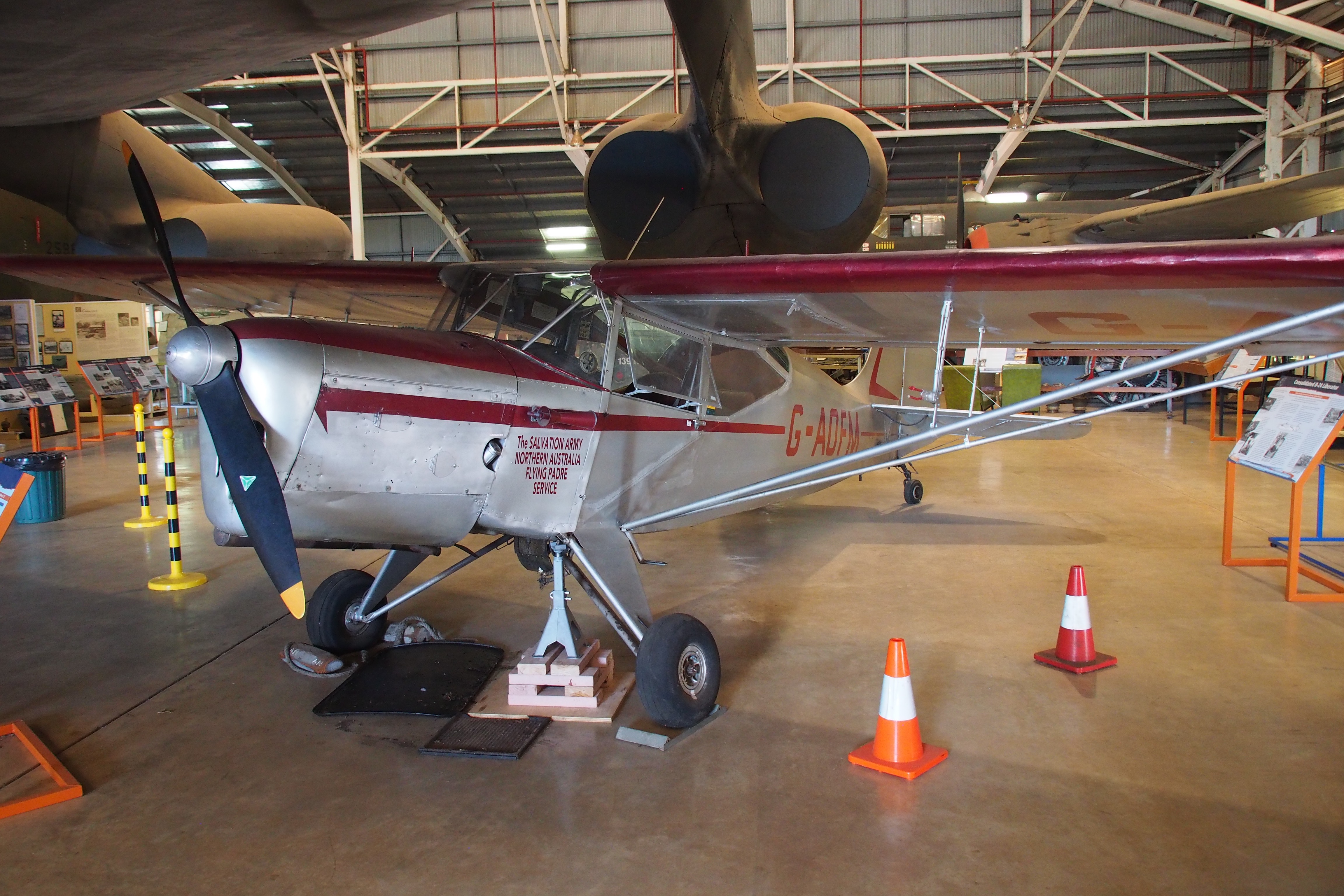
The Flying Padre. See even god want's to fly.

The Flying Padre. See even god want’s to fly.

I do struggle a bit with the concept of a one to one scale crochet atom bomb.

I do struggle a bit with the concept of a one to one scale crochet atom bomb.

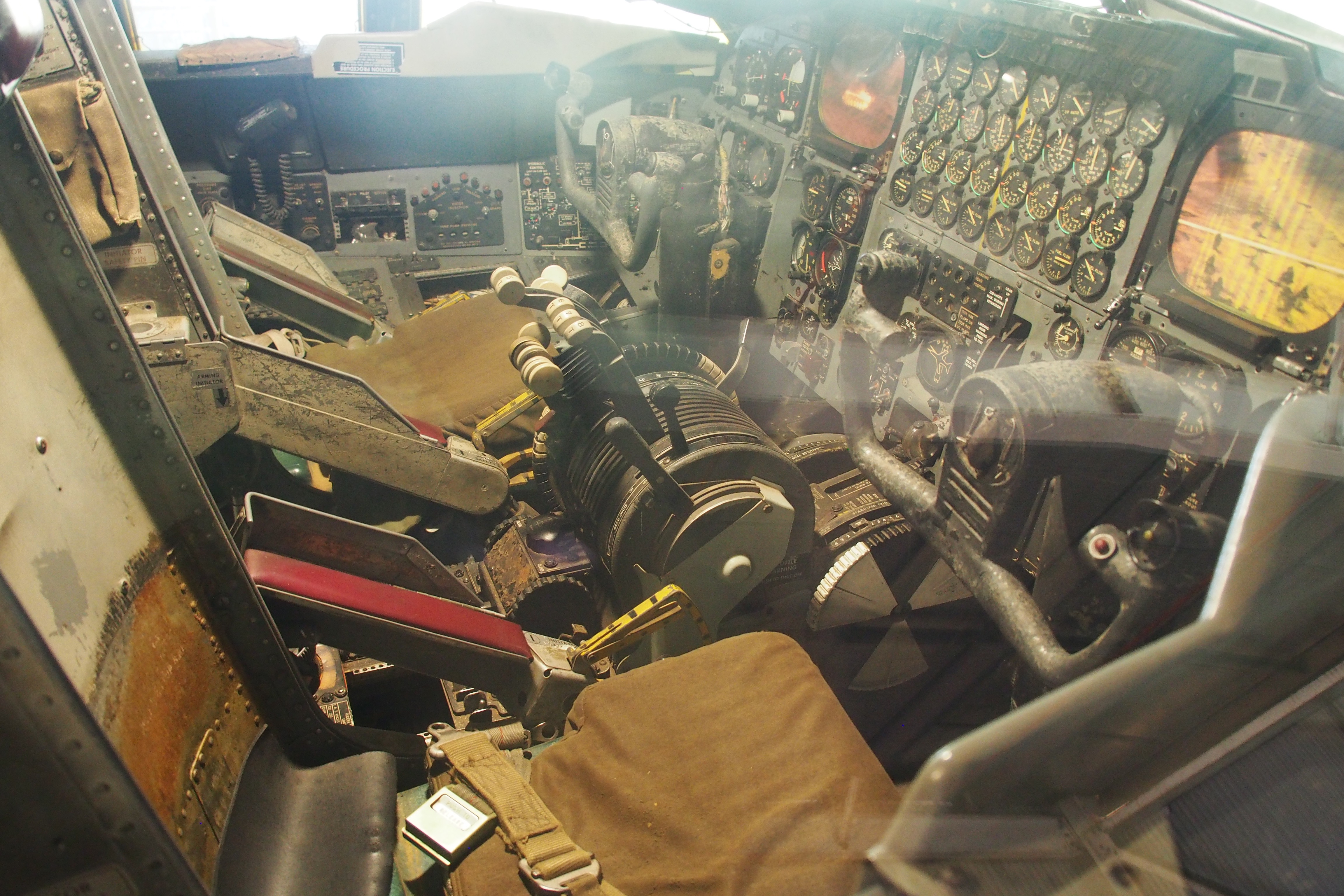
Pilot to Co-pilot: The gauge second from the left, third row says we are out of fuel. So were doing to crash.  Co-pilot- to Pilot: Forget that! the gauge just to the right and three down says the coffee machine is out of water.

Pilot to Co-pilot: The gauge second from the left, third row says we are out of fuel. So were doing to crash.
Co-pilot- to Pilot: Forget that! the gauge just to the right and three down says the coffee machine is out of water.

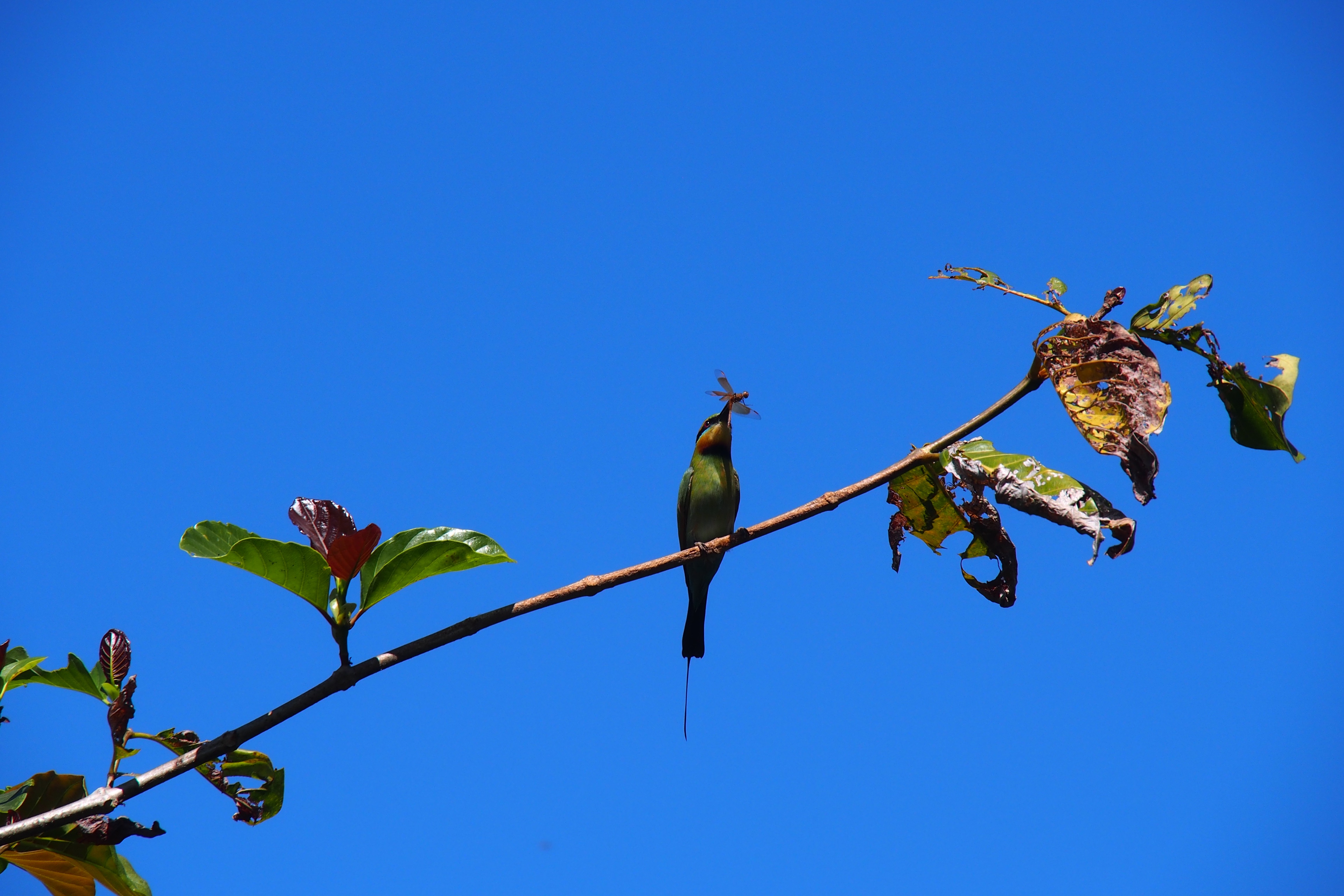
The Beak is mighter then the bug.

The beak is mightier then the bug.

So, back to the Emu War (mostly from Wikipedia).

Following World War One, large numbers of ex-soldiers from Australia, along with a number of British veterans, took up farming within Western Australia, often in marginal areas.

The difficulties facing farmers were increased by the arrival of as many as 20,000 emus.

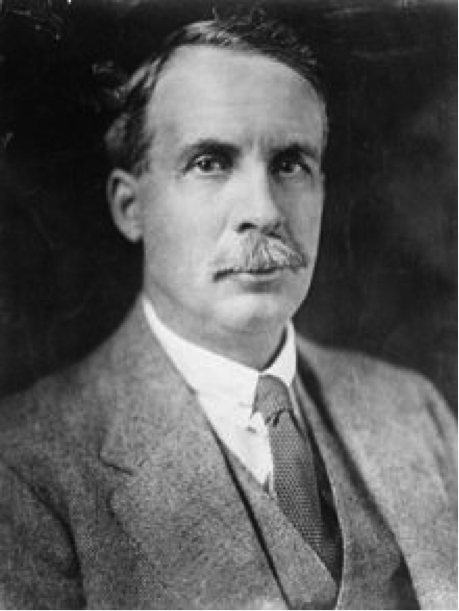
Farmers relayed their concerns about the birds ravaging their crops, and a deputation of ex-soldiers were sent to meet with the Minister for Defence, Sir George Pearce. Having served in World War I, the soldier-settlers were well aware of the effectiveness of machine guns, and they requested their deployment. The Minister agreed and supported the deployment on the grounds that the birds would make good target practice, although it has also been argued that some in the government may have viewed this as a way of being seen to be helping the Western Australian farmers, and towards that end  a Fox Movietone Cinamatograrher was enlisted.

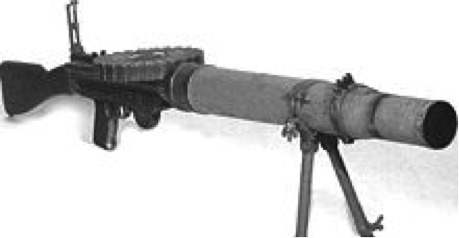
The “war” was conducted under the command of Major G.P.W. Meredith of the Seventh Heavy Battery of the Royal Australian Artillery with Meredith commanding a pair of soldiers armed with two Lewis Machine Guns and 10,000 rounds of ammunition.

Lewis Gun

Lewis Gun

The first attempt

On 2 November the men travelled to Campion, where some 50 emus were sighted. As the birds were out of range of the guns, the local settlers attempted to herd the emus into an ambush, but the birds split into small groups and ran so that they were difficult to target and “perhaps a dozen” birds were killed.

On the next engagement the gun jammed after only twelve birds were killed, however, and the remainder scattered before more could be killed. No more birds were sighted that day.

In the days that followed Meredith chose to move further south where the birds were “reported to be fairly tame”, but there was only limited success in spite of his efforts. At one stage Meredith even went so far as to mount one of the guns on a truck, a move that proved to be ineffective, as the truck was unable to gain on the birds, and the ride was so rough that the gunner was unable to fire any shots. By 8 November, six days after the first engagement, 2,500 rounds of ammunition had been firedThe number of birds killed is uncertain. One account claims just 50 birds, but other accounts range from 200 to 500—the latter figure being provided by the settlers. Meredith’s official report noted that his men had suffered no casualties.

Summarizing the culls, ornithologisy Dominic Serventy commented:

The machine-gunners’ dreams of point blank fire into masses of Emus were soon dissipated. The Emu command had evidently ordered guerrilla tactics, and its unwieldy army soon split up into innumerable small units that made use of the military equipment uneconomic. A crestfallen field force therefore withdrew from the combat area after about a month.

After the withdrawal, Major Meredith compared the emus to Zulu Warriers, and commented on the striking manoeuvrability of the emus, even while badly wounded.

If we had a military division with the bullet-carrying capacity of these birds it would face any army in the world…They can face machine guns with the invulnerability of tanks.

The second attempt

After the withdrawal of the military, the emu attacks on crops continued. Farmers again asked for support, citing the hot weather and drought that brought emus invading farms in the thousands

Acting on the requests and the Base Commander’s report, by 12 November the Minister of Defence approved a resumption of military efforts. He defended the decision in the senate, explaining why the soldiers were necessary to combat the serious agricultural threat of the large emu population. Although the military had agreed to loan the guns to Western Australian government on the expectation that they would provide the necessary people, Meredith was once again placed in the field due to an apparent lack of experienced machine gunners in the state. Taking to the field on 13 November 1932, the military found a degree of success over the first two days, with approximately 40 emus killed. The third day, 15 November, proved to be far less successful, but by 2 December the guns were accounting for approximately 100 emus per week. Meredith was recalled on 10 December, and in his report he claimed 986 kills with 9,860 rounds, at a rate of exactly 10 rounds per confirmed kill. In addition, Meredith claimed 2,500 wounded birds had died as a result of the injuries that they had sustained.

Sir George Pearce, who ordered that the army cull the emu population. He was later referred to in Parliament as the "Minister of the Emu War”.

Sir George Pearce, who ordered that the army cull the emu population. He was later referred to in Parliament as the “Minister of the Emu War”.

Well that’s it.

Australia’s least known war against one of the world’s biggest birds, a bird that appears with the Kangaroo on every official Australian Government document. A bird that can’t even fly, fortunately for Sir George Pearce.

Thanks James.

Yellow Water

Another pre-dawn start. I may as well go back to work, all this getting up, swimming, walking and wildlife watching is wearing me out. I must admit it’s mainly the getting up not so much the other bits.

The local indigenous have lived in Kakadu for tens of thousands of years living of the land and communing with nature. I must say it would not have been too difficult with the abundance of food and water. You would only have had to worry about the odd snake, spider or crocodile everything else was pretty much laid out for the picking. As it turned out the biggest threat to this lifestyle was the well intentioned however misguided Europeans who, while introducing the best of the European lifestyle nearly destroyed a symbiotic relationship that had lasted so well for millennia. Fortunately the Aboriginal culture still exists despite the intrusion of the Quicky Mart, Medicare and The Commonwealth Department of Stupidity.

Too serious, you’re right.

Crocodiles and lots of them inhabit pretty much the whole top end of Australia these giant lizards come in two varieties, the unfriendly fresh water type and the more unfriendly estuarine or salt-water type.

For the sake of history it should be noted that Phillip Parker King, noted English explorer, spotted Crocodiles on the banks of several rivers while he was surveying the north of Australia in the name of the King (not himself but the other one who was too busy ruling the world to do his own surveying). Anyway having just returned from the USA he decided the crocodiles were actually alligators and named several river systems including the South Alligator and East Alligator rivers after the afore mentioned lizards with attitude. Unfortunately there are no alligators in Australia and despite several attempts by later folk including the klutz/explorer, but eventually successful, Ludwig Leichardt the names remain unchanged.

By the way should you get bored and are curious about the friendliness, or not, of salt water crocs then Google … Croc Eats Croc at Yellow Water, or Croc eats horse or Croc eats just about anything else for that matter.

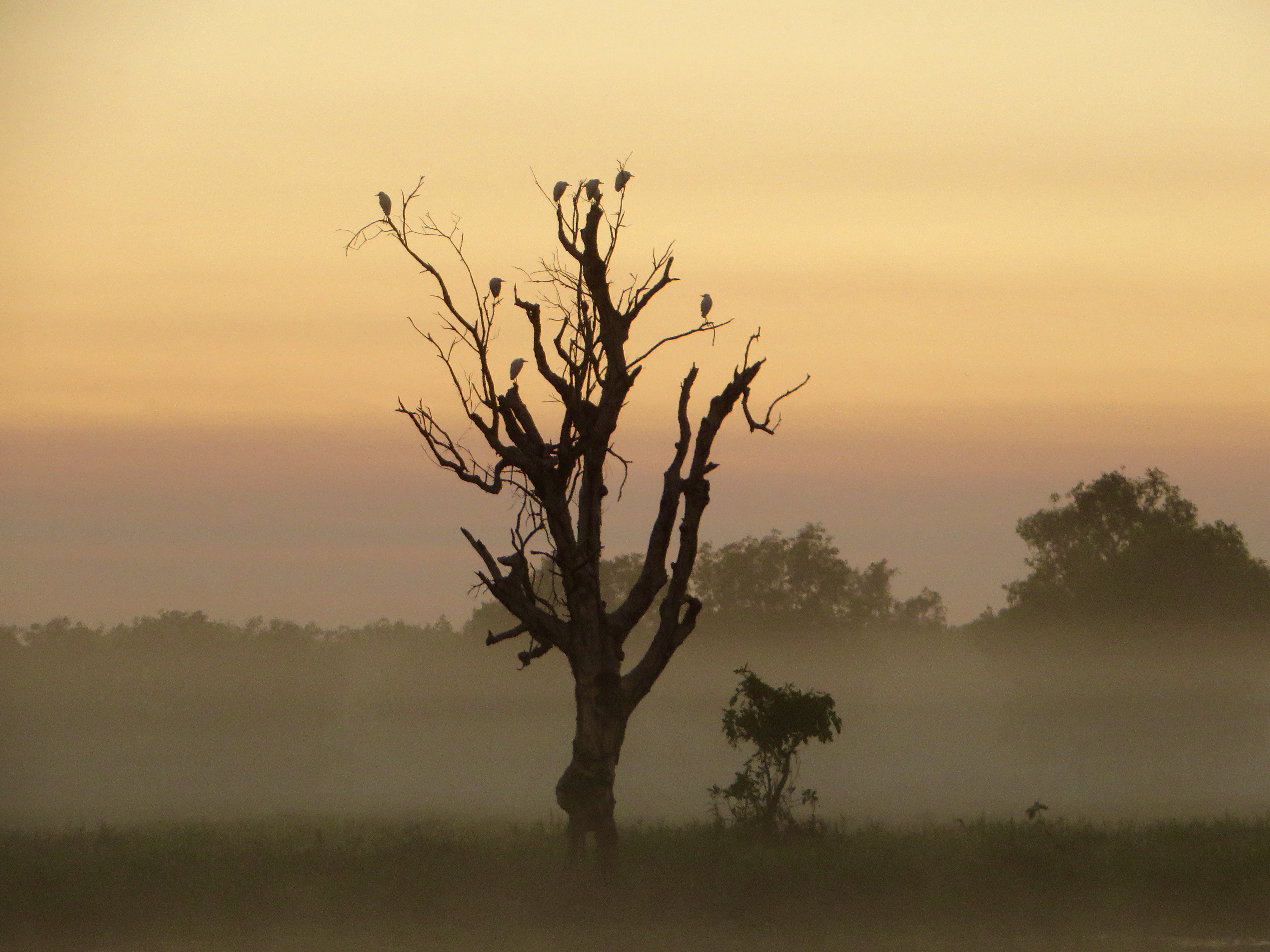
Yellow Water Sunrise

Yellow Water Sunrise

Sunrise a little later.

Sunrise a little later.

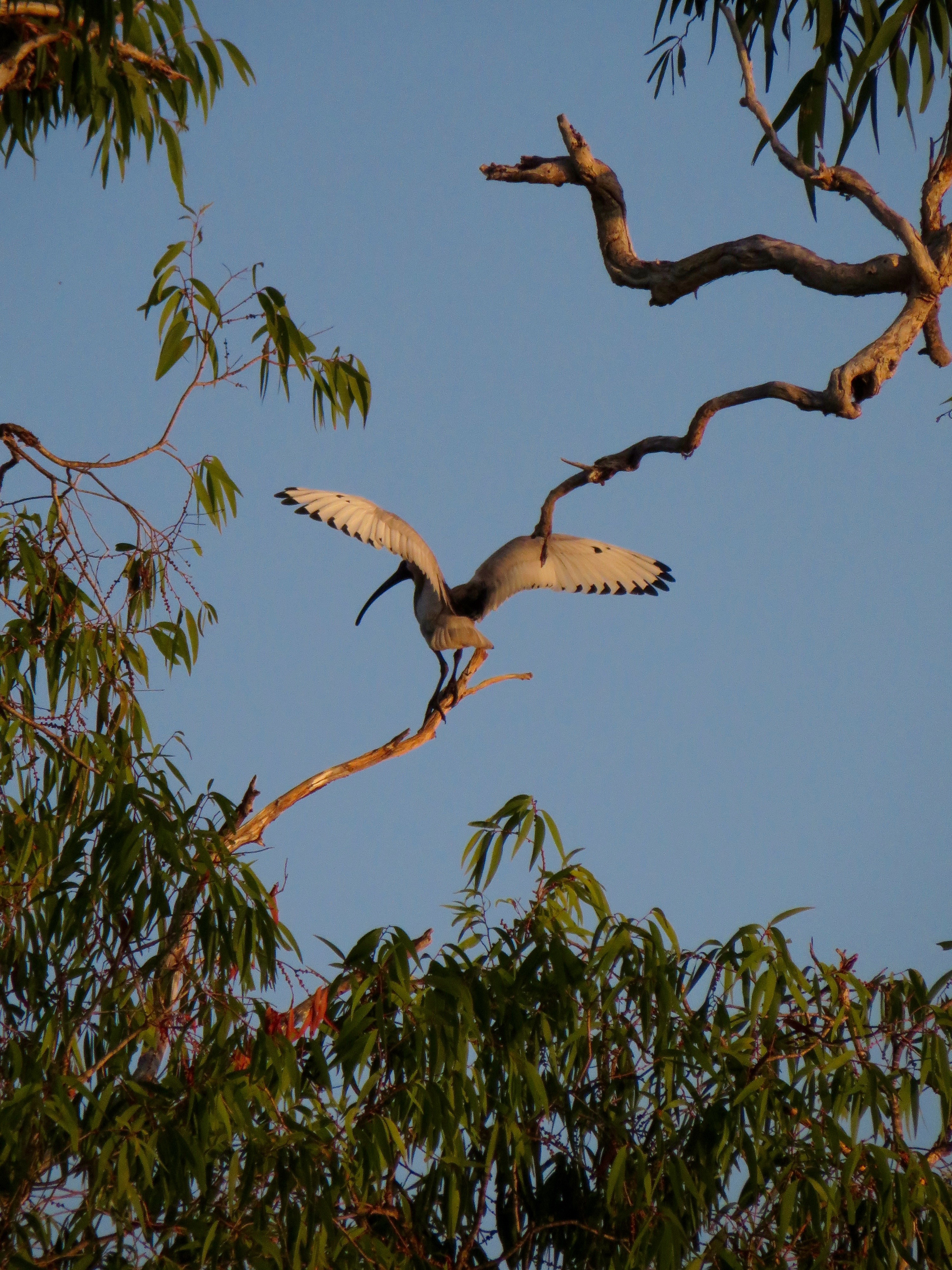
Some sort of big Grey Bird. What am I an ornithologist?

Some sort of big Grey Bird. What am I an ornithologist?

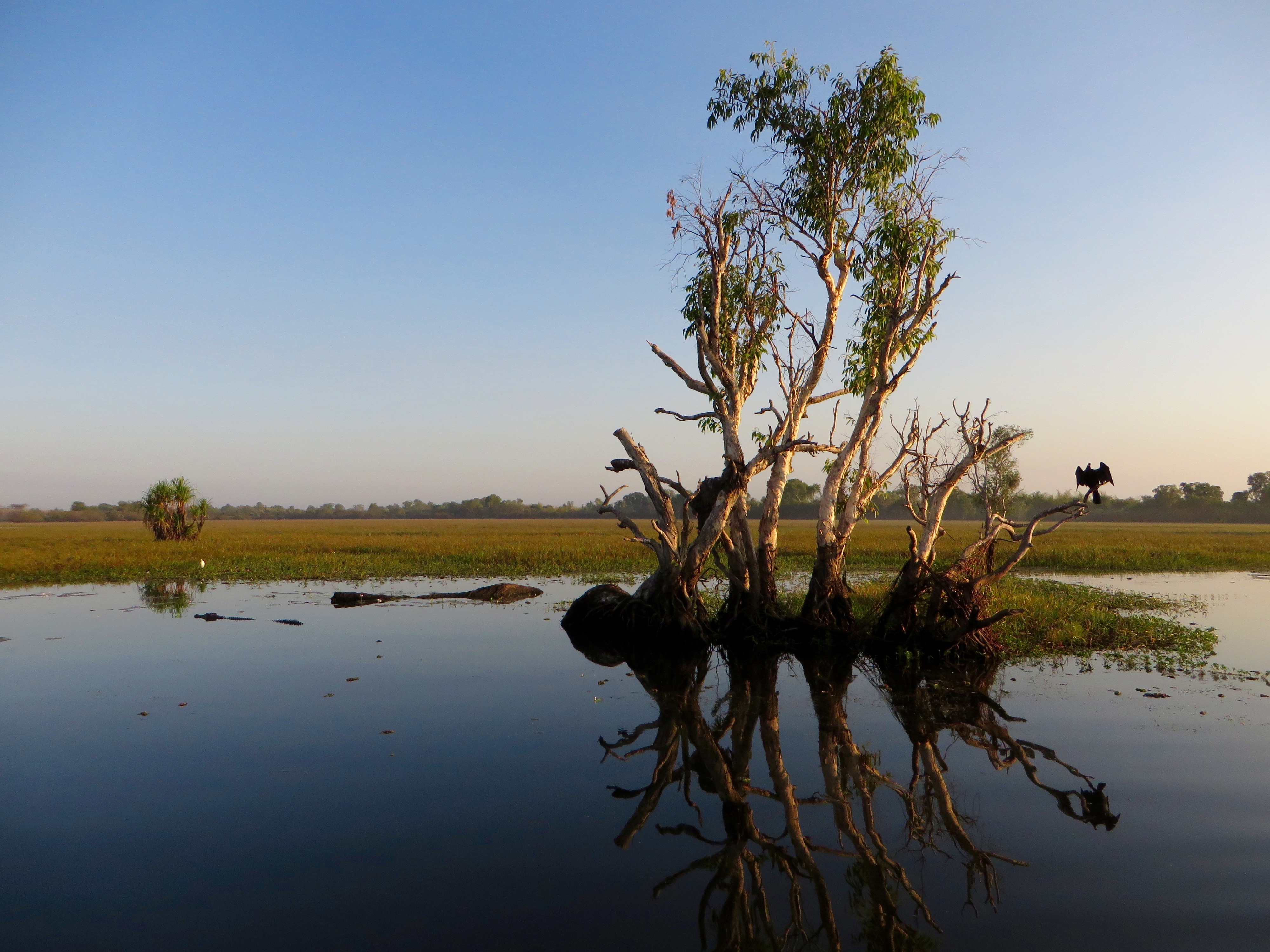
Tree in Water with Croc and Bird.

Tree in Water with Croc and Bird.

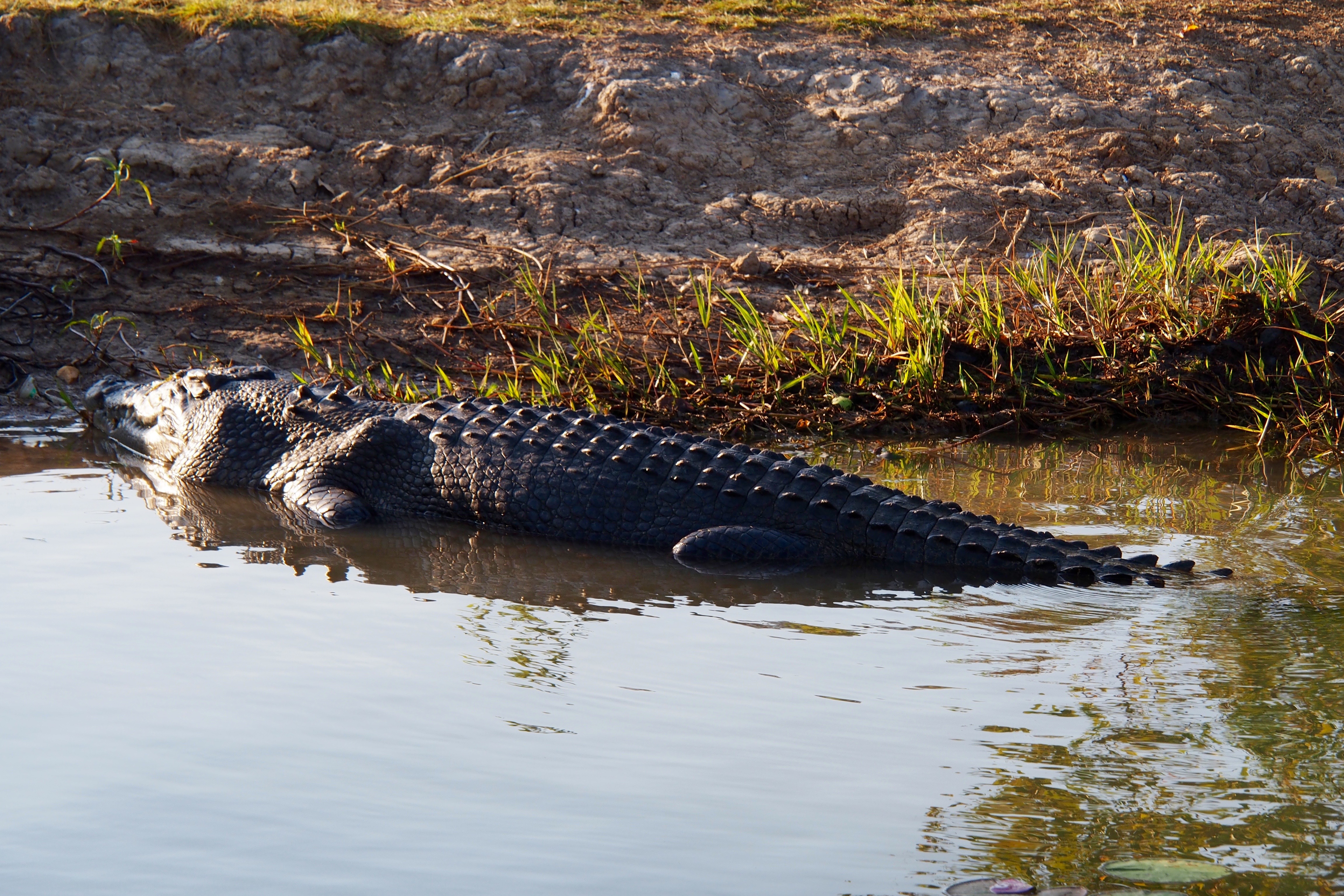
Max the horse eating croc.

Max the horse eating croc.

Sorry but It’s Art Time Again

Why read a black and white newspaper when you can read one with a colour supplement. Aboriginal Rock Art, who gets it? Just like the petroglyphs in the USA only in colour, thus demonstrating the superiority of art in Australia. Dare I say Aboriginal art rock’s.

Fish

Fish

Now extinct Tasmanian Tiger. Thanks guys :-(

Now extinct Tasmanian Tiger. Thanks guys 😦

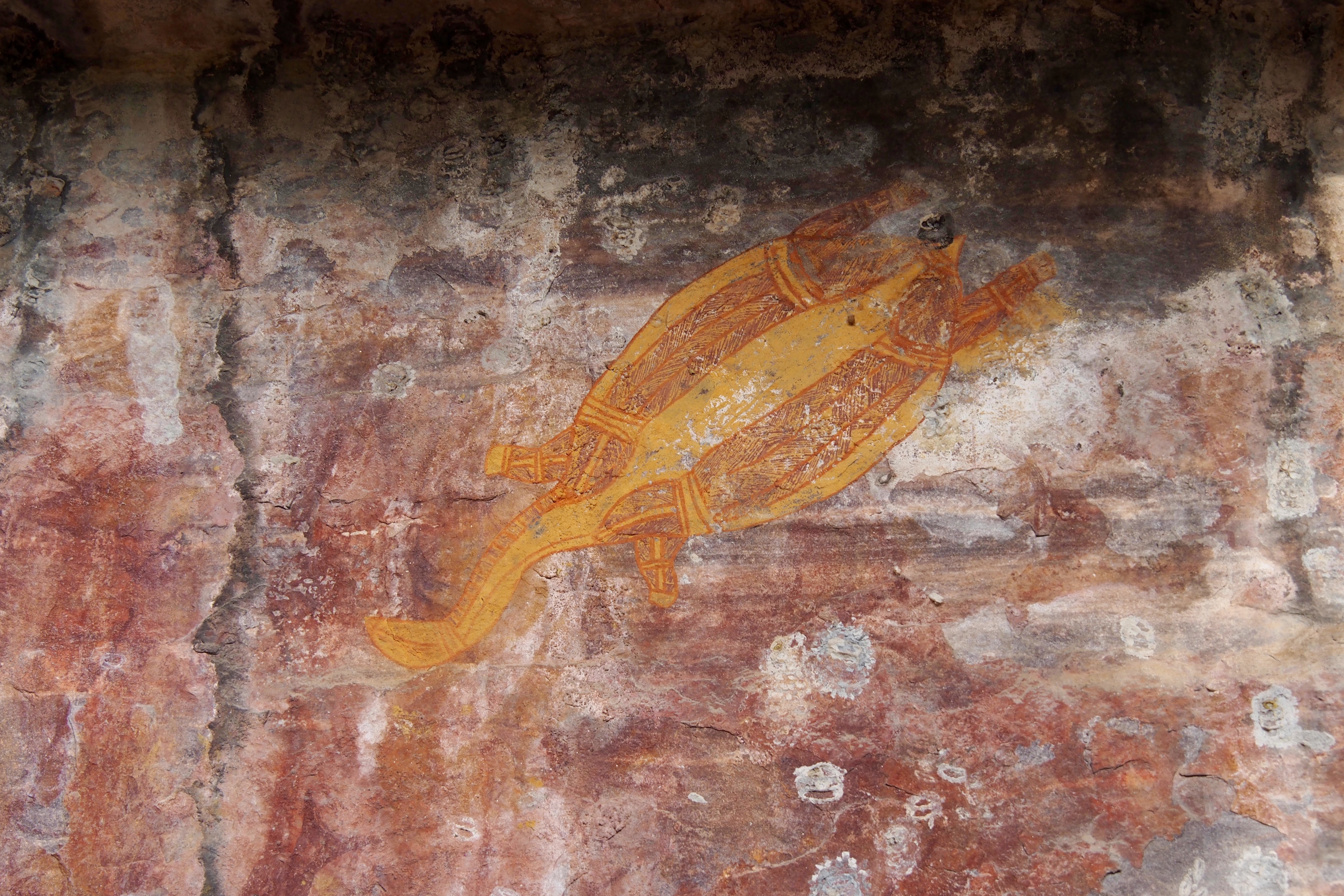
Turtle

Turtle

Fully optioned

Fully optioned

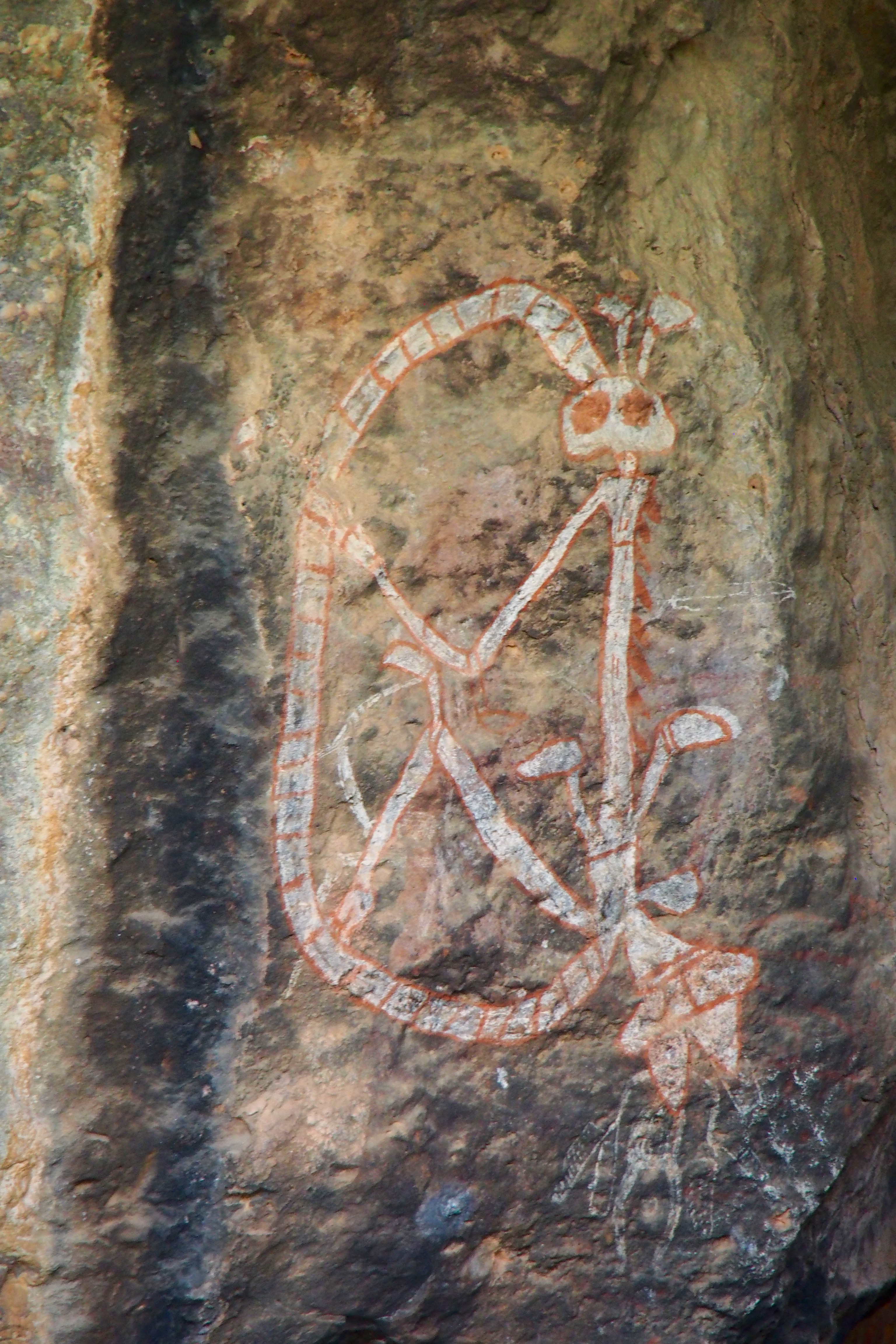
The Lightning Man

The Lightning Man

Anatomical view of Turtle

Anatomical view of Turtle

Very early art

Very early art

Where’s the Water Jim?

A sixty-kilometre drive down a badly corrugated road led us to Jim Jim Falls and absolutely no flowing water at the falls. Twin falls another nine kilometres on yielded a more rewarding experience including a short boat trip.

River Crossing

River Crossing on the road to Twin Falls

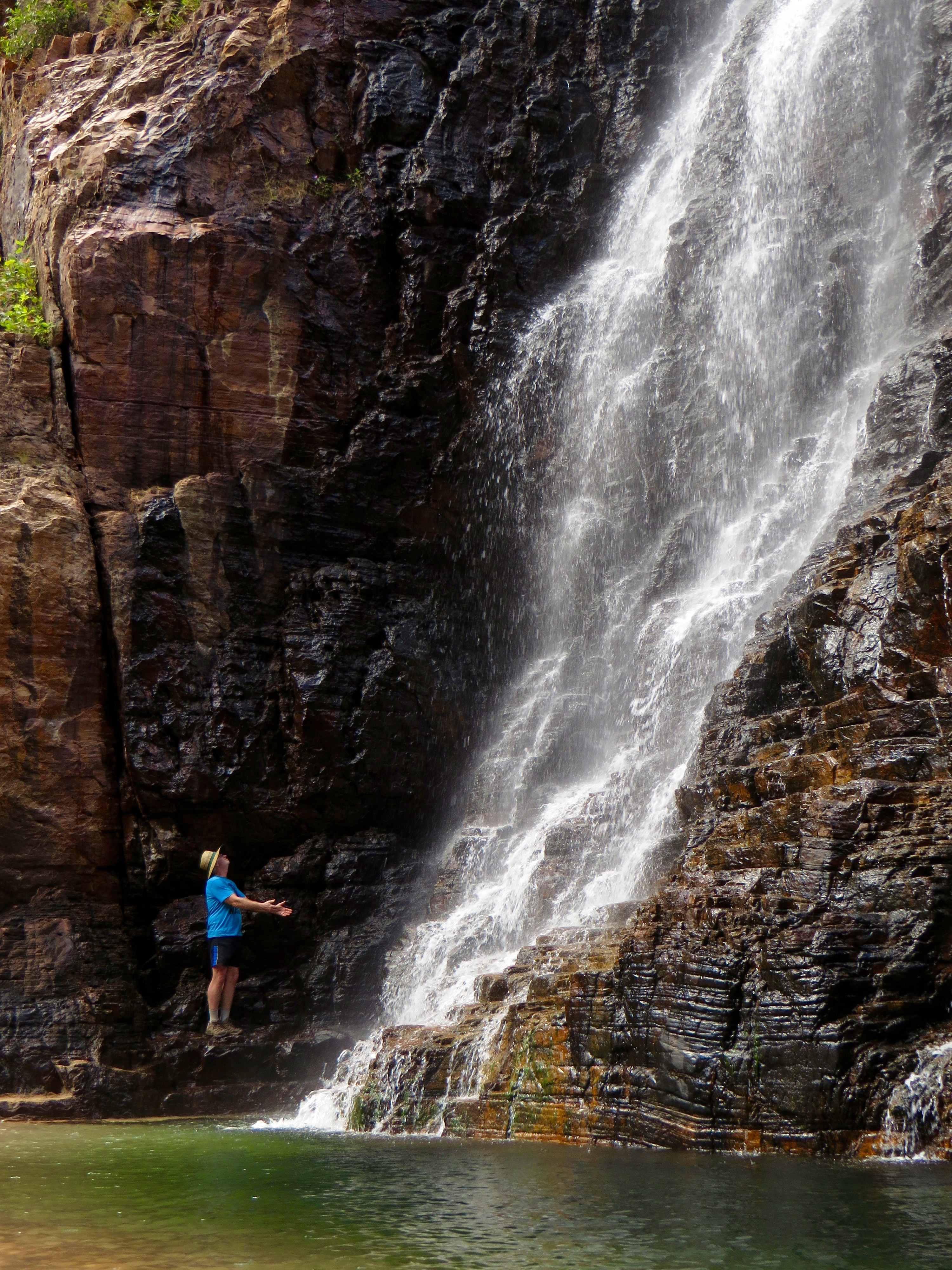
Under The Falls

Under Twin Falls

En Route to Jim Jim

En Route to Jim Jim

Heading to the falls.

Heading to Jim Jim Falls.

The Best Swimming Hole In The Universe

Gunlom Falls by a country mile.

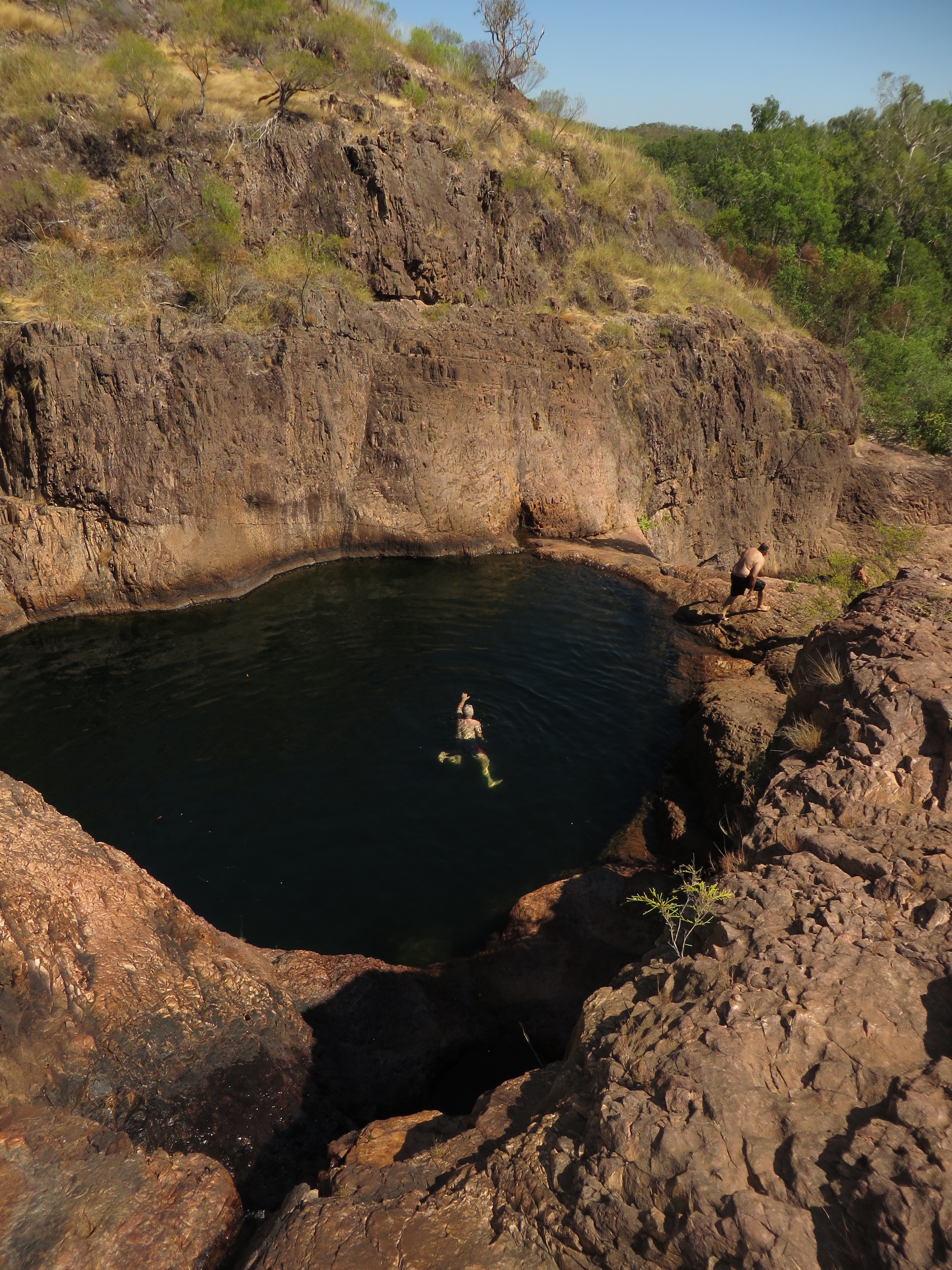
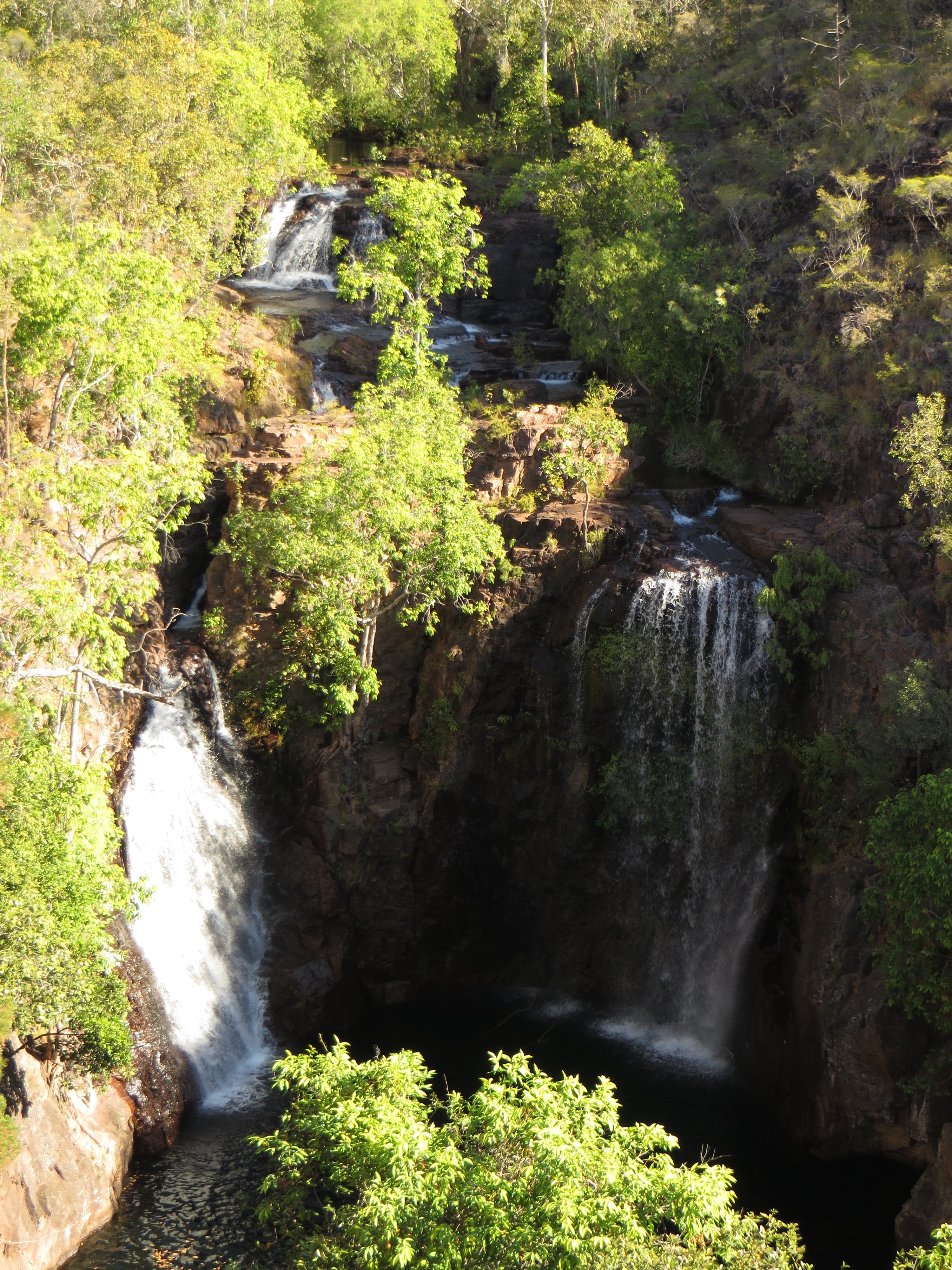
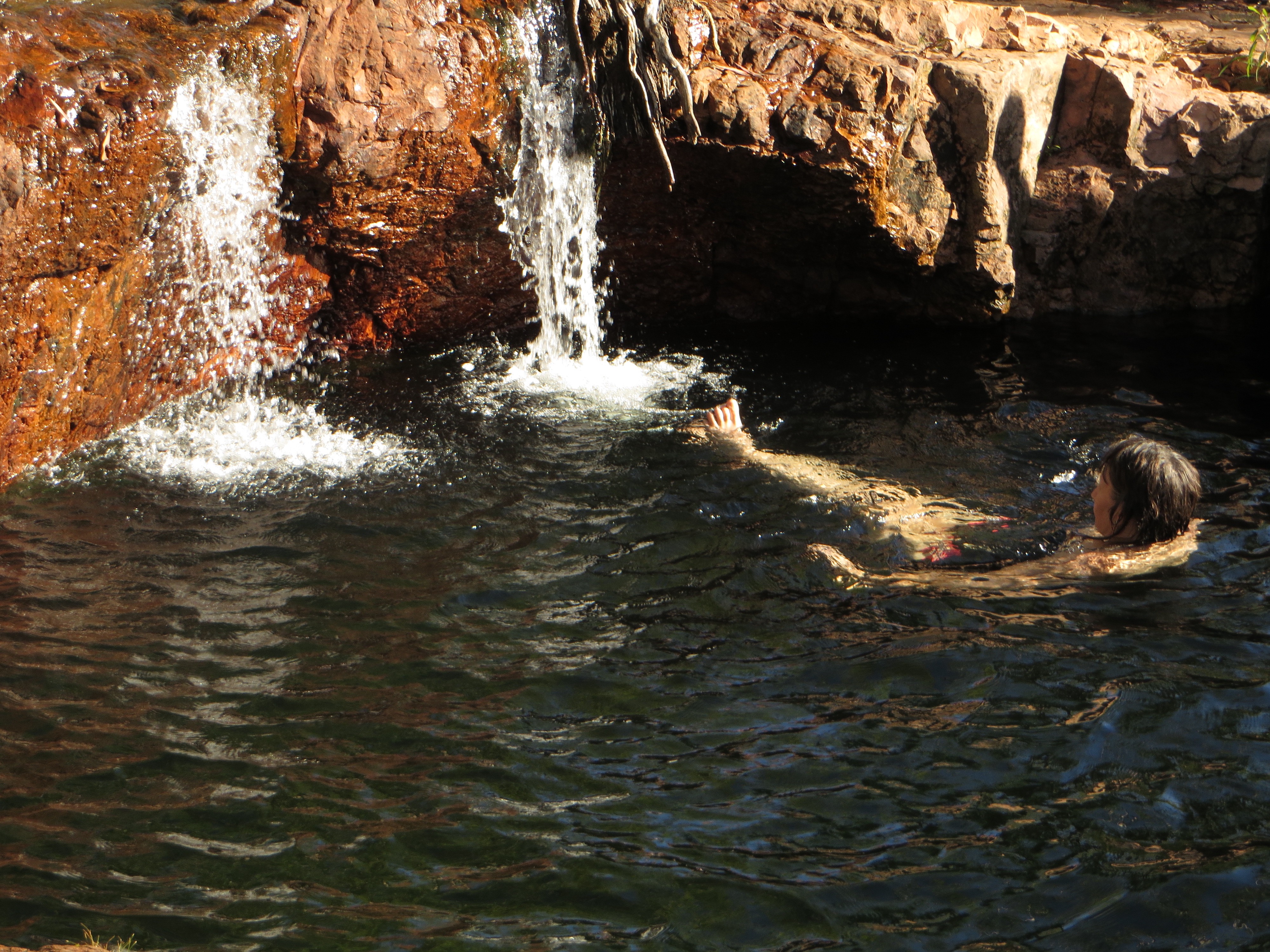
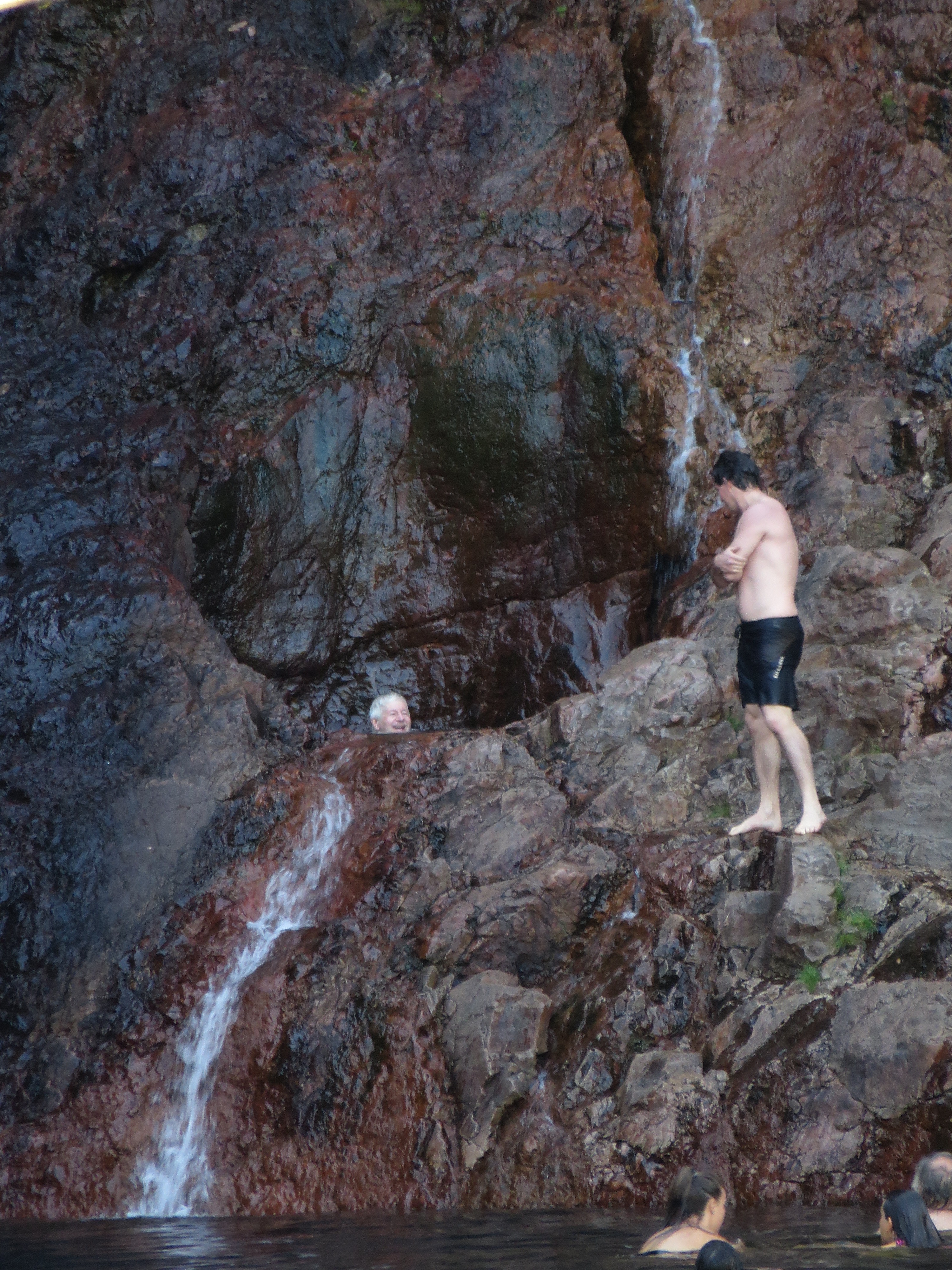
Despite the dry, the falls continue to run. Accessed via a steep but not too long walking track (twenty minutes) the falls have a swimming pool at the edge of the cliff face. This is the pool you see in the Northern Territory Advertising, “You’ll never never know if you never never go” as the ad says.

Despite the desirability of this swimming hole the Aboriginals didn’t particularly like the place and wouldn’t go near it. They referred to it as the “sickness country” as many who travelled the area fell ill. Coincidentally or not this area is home to several uranium mines. Uranium I found out by via a little research has been found in a coloured glass plate dating back to 79AD, it was apparently used extensively in the manufacture of Vaseline and other coloured glass. I’m not telling you this so you will get all your old coloured glassware out of the cupboard and see if it glows in the dark I’m just mentioning it. I’m almost positive there could be no side effects from using the glass after all granny used a coloured glass teacup for years before she died. If you are worried about it keep a weather eye out for symptoms like drowsiness, pink eye, and falling down and not getting up. Early symptoms were originally treated, although not very successfully, with a spoonful of mercury or a course of leaches. Curiously we now use uranium for treatment of cancer. Who would have thought?

You'll Never Never Know etc.

You’ll Never Never Know etc.

Me with my feets up

Me with my feets up

Thanks to the head Rabbit for photos as always.

When The Wet Is Dry The Dry Is Dryer

A stop off at the Edith River and a visit to the unsurprisingly named Edith Falls confirmed that it was in fact a dry “Dry Season” in the North. The last three years have seen less than average rainfall and as a result the waterfalls and lagoons are drying up quicker than normal. The Edith River though a little down on normal still hosts plenty of wildlife as it is a permanent water source.

When I was growing up and had to endure the Sunday ritual of going to church to listen to fairy tales about the meaning of life, the universe and everything (subsequently confirmed as 42), we had to colour in line drawings of stuff like the Garden of Eden. Today arriving just after dawn and before most of the campers had risen from the dead we shared a virtual “Garden of Eden” with the birds and animals in the form of Edith River and it’s falls.

By the way I learned quite early that Sunday School was a waste of time for me, the sales pitch just didn’t seem the least bit logical. I discovered by giving my older sister the few pennies for the collection plate, and thus ensuring her silence, that I could miss the Sunday School ritual and I was free to do what I pleased for an hour or two, as long as I didn’t get my “Sunday go to meeting” clothes too dirty. God only knows what my sister told the teacher, maybe she told them we had converted to Judaism and stopped going herself. If that’s the case I will be seeking a refund of collection plate monies.

The Edith River

The Edith River

Not a Camper in Site

Not a Camper in Site

The Falls

The Falls