
From the first time we, as humans, saw a bird fly we have been fascinated. Countless attempts to emulate the flight of the bird, probably dating back to the time the first cave man strapped on some now extinct Dodo feathers, threw himself off a cliff and landed cranium first on something slightly tougher than his head, have confirmed this.
A couple of the more well known and more successful flight disciples were the Italian wiz kid Leonardo DeVinci and the Australian Edmond Hargreaves. The Wright brothers were probably the first to actually fly any distance although people will argue about that.
So where is this leading.
It is leading to two, no three places in that scattered space I like to call my brain.
- We are in Darwin and Darwin is the only place in Australia ever to have been attacked by air. Obviously Australia was attacked by sea a number of times by various nations, the English being the most notable. The Japanese however gave Darwin a good flogging by air back in nineteen forty two and three. The destruction inflicted by the Japanese was only bested by cyclone Tracy in nineteen seventy four. Cyclone Tracy, by the way, is also our worst ever recorded natural disaster (the aborigines no doubt saw worse, but they have been here a while longer, twenty thousand years or more in fact).
- There is an enormous variety of bird life in the tropics and they are great to watch.
- James,our only and therefore number one son, sent an email about the Emu War in Australia just after World War One. That is the Emu War was just after World War One not the email.
So, to the point, we like to fly and we like to fight so why not combine the two and fight in the air. Am I am going to rave on about war and conflict and man’s inhumanity. Why would I, you already know about that stuff. You are all intelligent people otherwise you wouldn’t be here! So just look at the pictures..
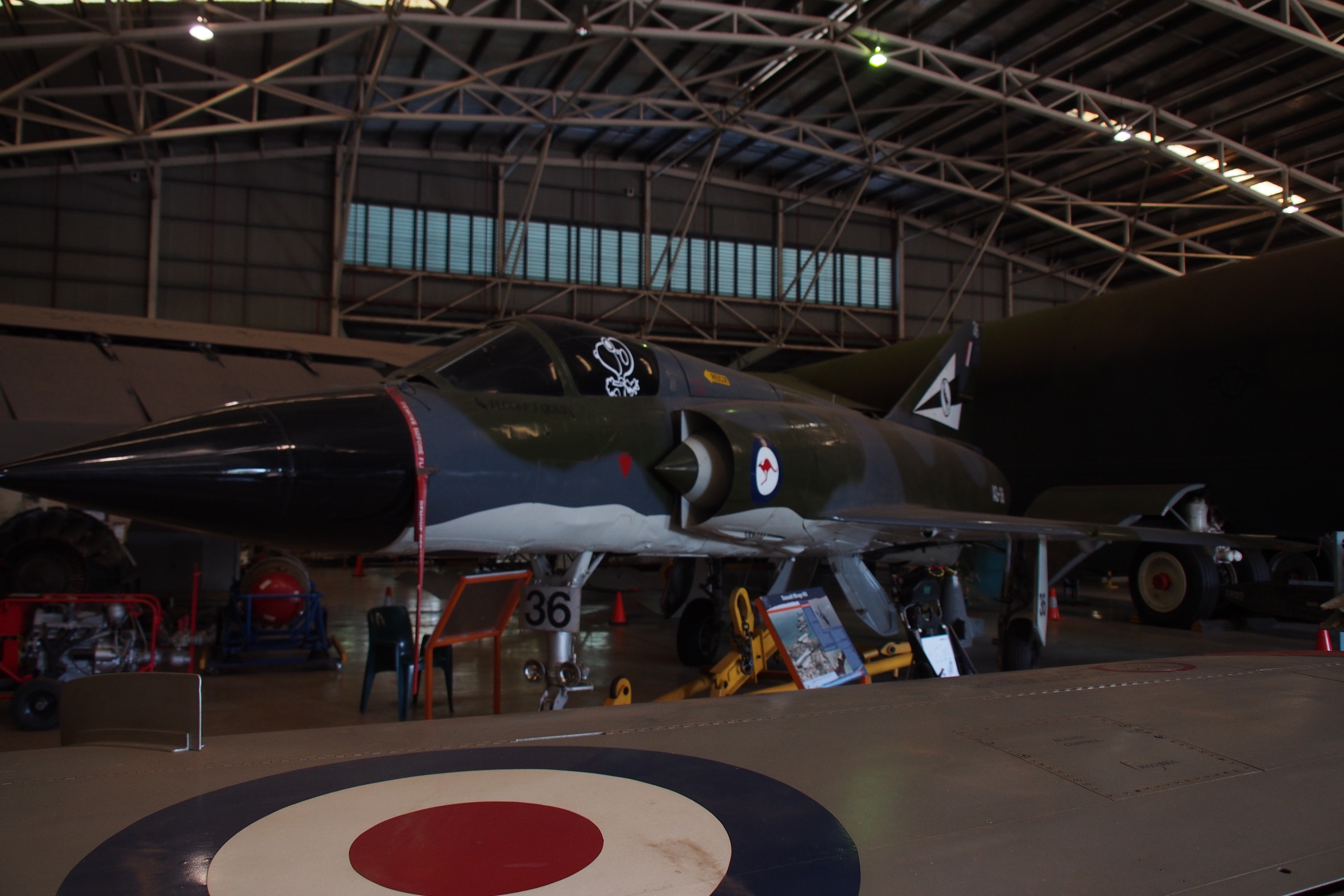
War Bird with Snoopy at the controls.

One of Japan’s less successful invaders of the Australian north.

The Quaint as flying Refrigerator.
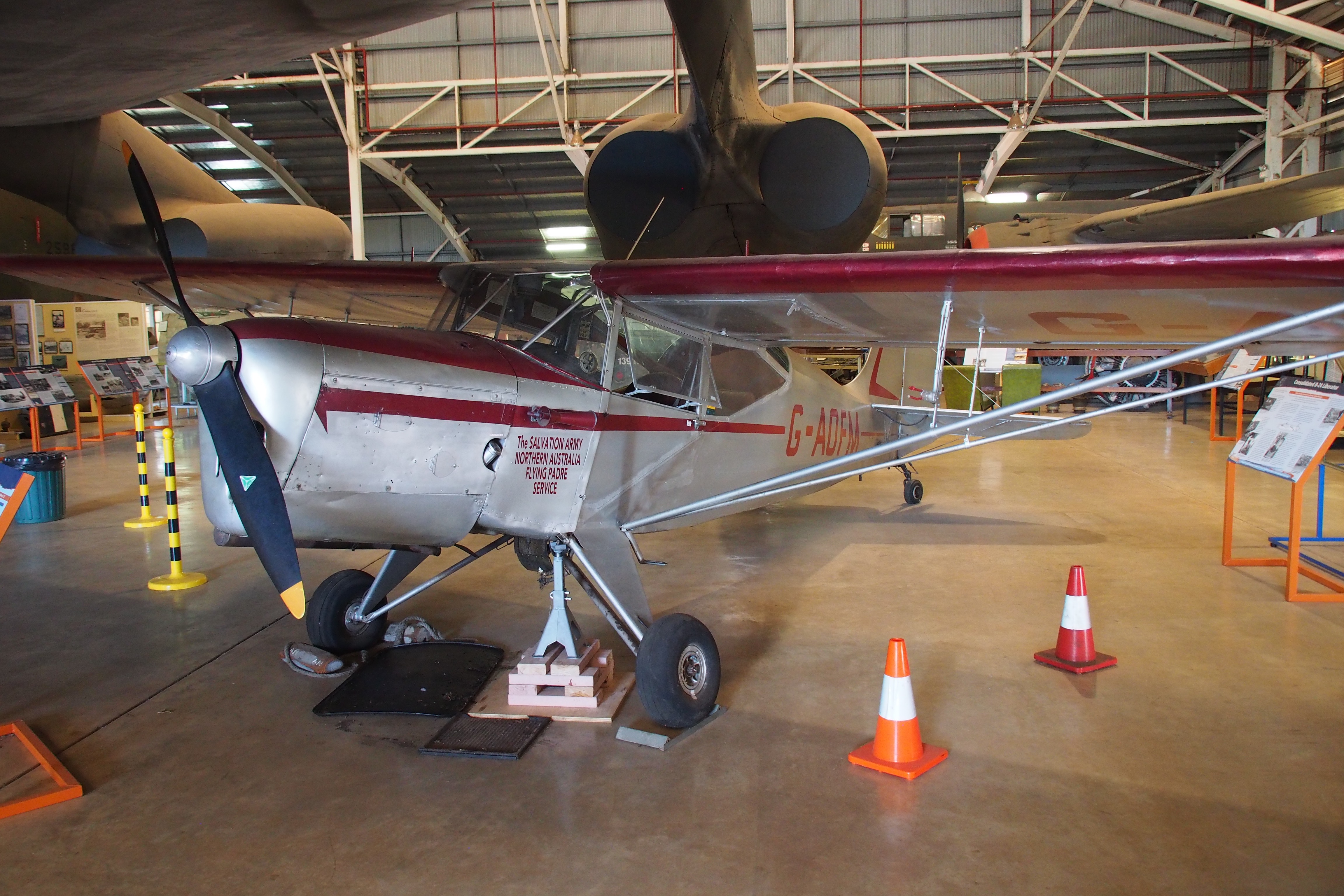
The Flying Padre. See even god want’s to fly.

I do struggle a bit with the concept of a one to one scale crochet atom bomb.
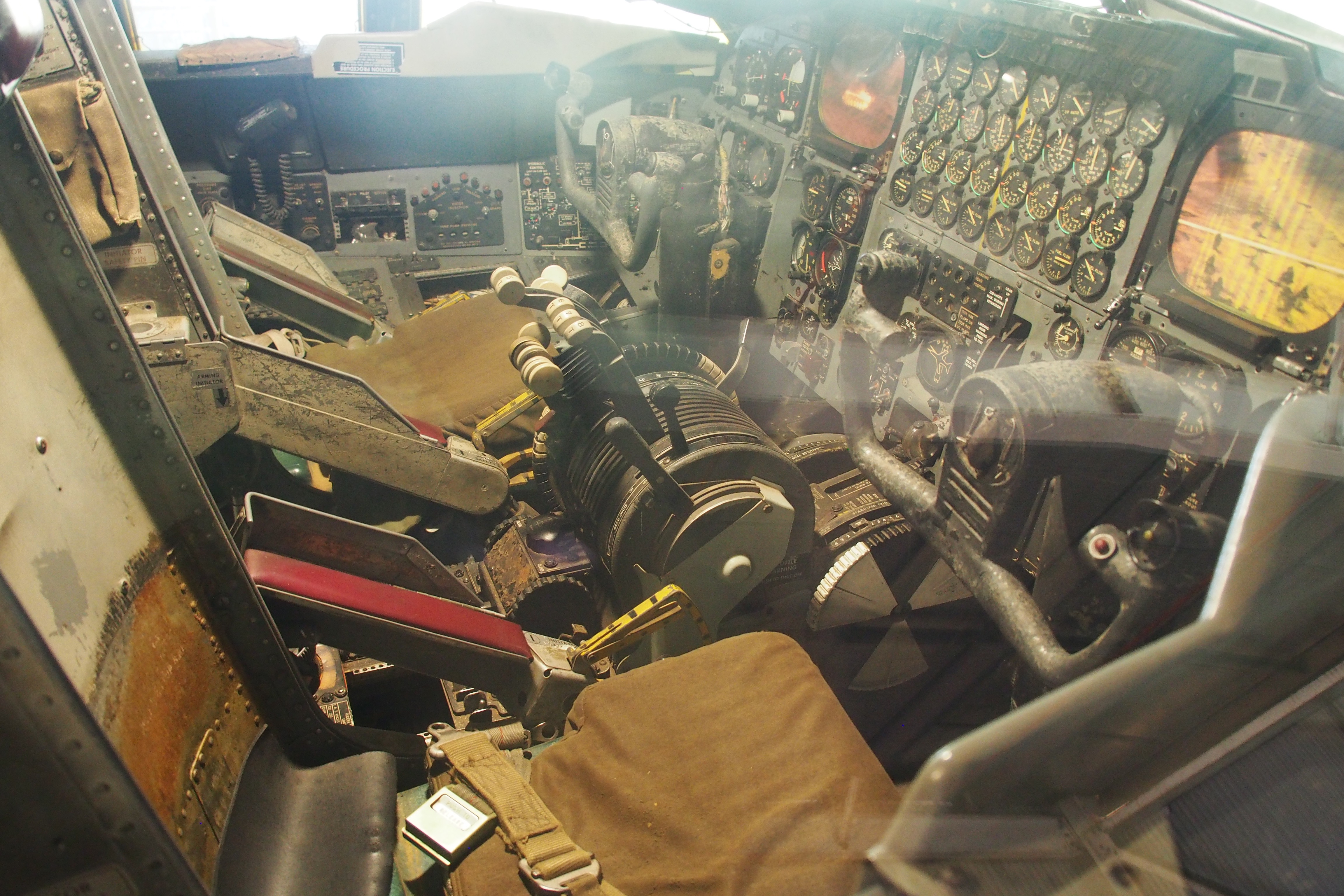
Pilot to Co-pilot: The gauge second from the left, third row says we are out of fuel. So were doing to crash.
Co-pilot- to Pilot: Forget that! the gauge just to the right and three down says the coffee machine is out of water.
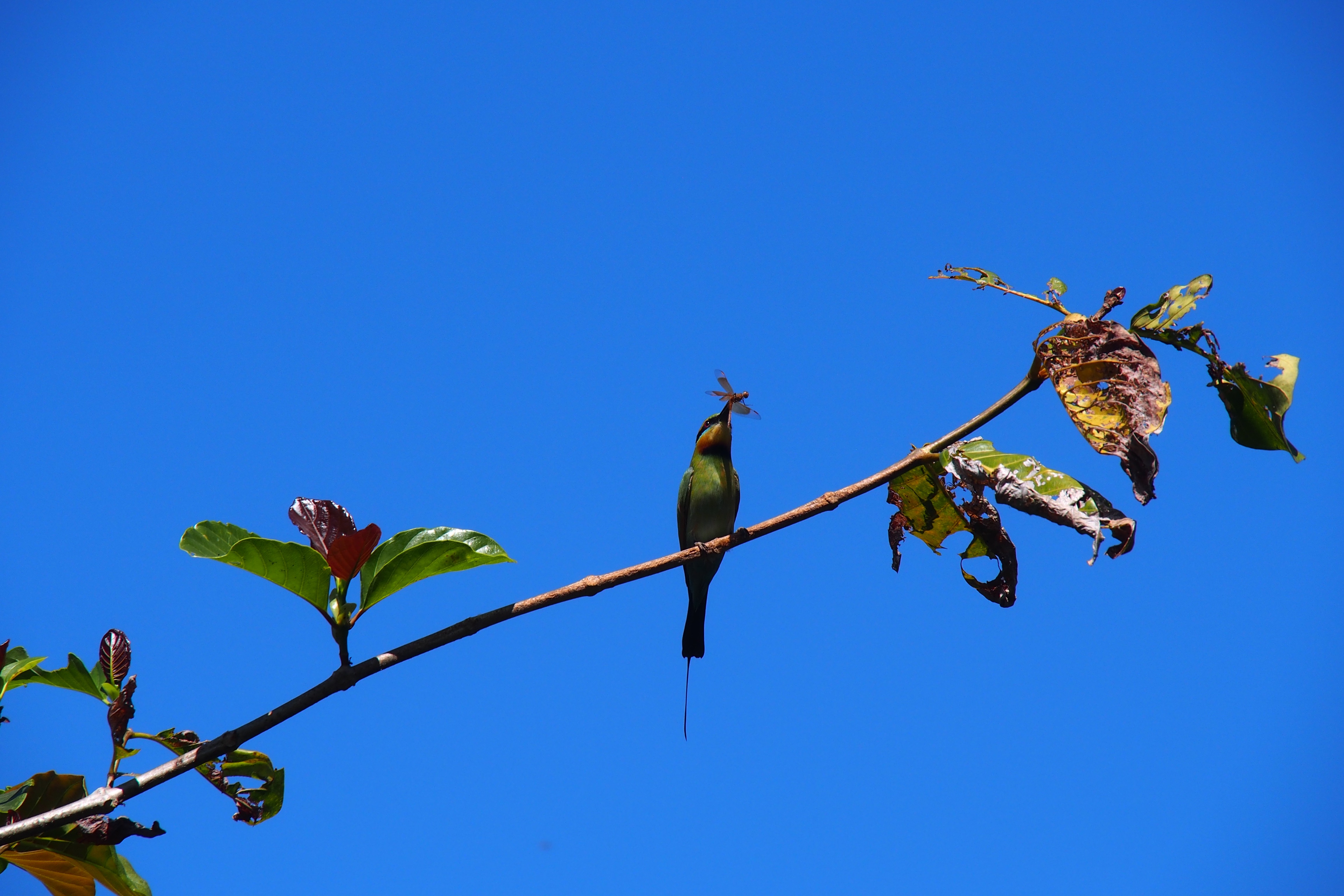
The beak is mightier then the bug.
So, back to the Emu War (mostly from Wikipedia).
Following World War One, large numbers of ex-soldiers from Australia, along with a number of British veterans, took up farming within Western Australia, often in marginal areas.
The difficulties facing farmers were increased by the arrival of as many as 20,000 emus.
Farmers relayed their concerns about the birds ravaging their crops, and a deputation of ex-soldiers were sent to meet with the Minister for Defence, Sir George Pearce. Having served in World War I, the soldier-settlers were well aware of the effectiveness of machine guns, and they requested their deployment. The Minister agreed and supported the deployment on the grounds that the birds would make good target practice, although it has also been argued that some in the government may have viewed this as a way of being seen to be helping the Western Australian farmers, and towards that end a Fox Movietone Cinamatograrher was enlisted.
The “war” was conducted under the command of Major G.P.W. Meredith of the Seventh Heavy Battery of the Royal Australian Artillery with Meredith commanding a pair of soldiers armed with two Lewis Machine Guns and 10,000 rounds of ammunition.
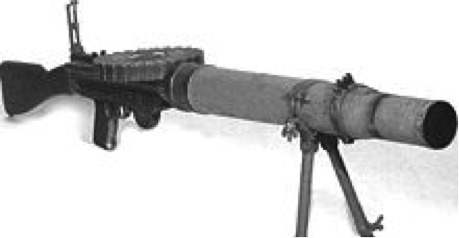
Lewis Gun
The first attempt
On 2 November the men travelled to Campion, where some 50 emus were sighted. As the birds were out of range of the guns, the local settlers attempted to herd the emus into an ambush, but the birds split into small groups and ran so that they were difficult to target and “perhaps a dozen” birds were killed.
On the next engagement the gun jammed after only twelve birds were killed, however, and the remainder scattered before more could be killed. No more birds were sighted that day.
In the days that followed Meredith chose to move further south where the birds were “reported to be fairly tame”, but there was only limited success in spite of his efforts. At one stage Meredith even went so far as to mount one of the guns on a truck, a move that proved to be ineffective, as the truck was unable to gain on the birds, and the ride was so rough that the gunner was unable to fire any shots. By 8 November, six days after the first engagement, 2,500 rounds of ammunition had been firedThe number of birds killed is uncertain. One account claims just 50 birds, but other accounts range from 200 to 500—the latter figure being provided by the settlers. Meredith’s official report noted that his men had suffered no casualties.
Summarizing the culls, ornithologisy Dominic Serventy commented:
The machine-gunners’ dreams of point blank fire into masses of Emus were soon dissipated. The Emu command had evidently ordered guerrilla tactics, and its unwieldy army soon split up into innumerable small units that made use of the military equipment uneconomic. A crestfallen field force therefore withdrew from the combat area after about a month.
After the withdrawal, Major Meredith compared the emus to Zulu Warriers, and commented on the striking manoeuvrability of the emus, even while badly wounded.
If we had a military division with the bullet-carrying capacity of these birds it would face any army in the world…They can face machine guns with the invulnerability of tanks.
The second attempt
After the withdrawal of the military, the emu attacks on crops continued. Farmers again asked for support, citing the hot weather and drought that brought emus invading farms in the thousands
Acting on the requests and the Base Commander’s report, by 12 November the Minister of Defence approved a resumption of military efforts. He defended the decision in the senate, explaining why the soldiers were necessary to combat the serious agricultural threat of the large emu population. Although the military had agreed to loan the guns to Western Australian government on the expectation that they would provide the necessary people, Meredith was once again placed in the field due to an apparent lack of experienced machine gunners in the state. Taking to the field on 13 November 1932, the military found a degree of success over the first two days, with approximately 40 emus killed. The third day, 15 November, proved to be far less successful, but by 2 December the guns were accounting for approximately 100 emus per week. Meredith was recalled on 10 December, and in his report he claimed 986 kills with 9,860 rounds, at a rate of exactly 10 rounds per confirmed kill. In addition, Meredith claimed 2,500 wounded birds had died as a result of the injuries that they had sustained.
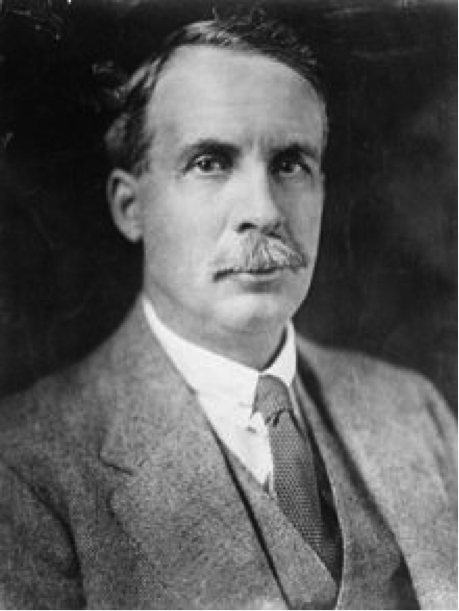
Sir George Pearce, who ordered that the army cull the emu population. He was later referred to in Parliament as the “Minister of the Emu War”.
Well that’s it.
Australia’s least known war against one of the world’s biggest birds, a bird that appears with the Kangaroo on every official Australian Government document. A bird that can’t even fly, fortunately for Sir George Pearce.
Thanks James.
 leschalmers